1. How to Tell if Your Horse is Happy
Before you can improve horse happiness, it’s important to know what it looks like. Horses express contentment through both body language and behaviour.
Relaxed Body Language
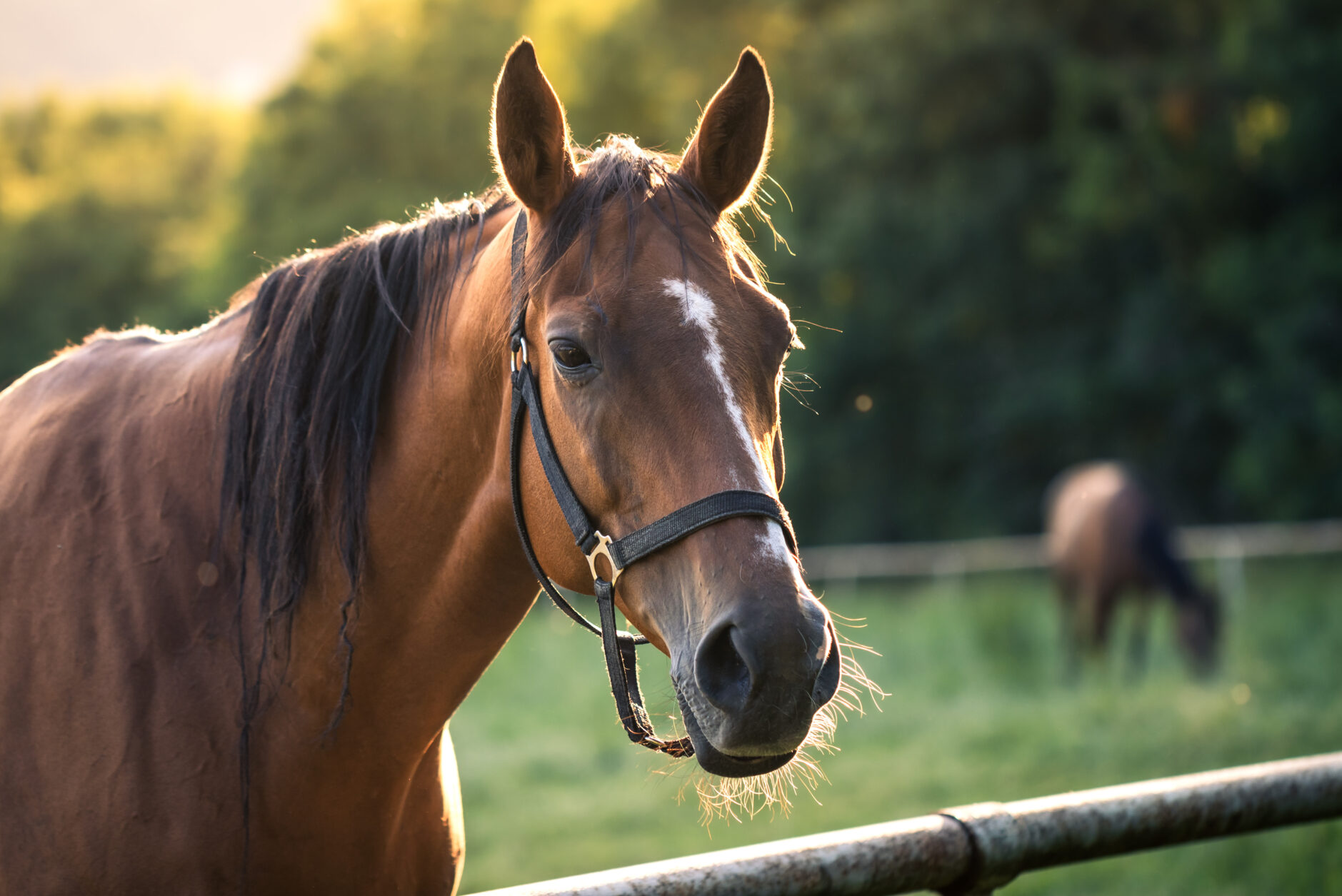
A happy horse will appear calm and comfortable in their surroundings. Look for:
- Soft eyes and relaxed nostrils rather than tight or flared expressions
- Forward ears that move with interest, not pinned back in irritation
- A loose tail that sways gently rather than swishing aggressively
Positive Physical Behaviour
Happy horses graze calmly, wander with curiosity, and interact naturally with others in the field. Horses showing stress or boredom may pace, dig, or move restlessly around the paddock.
Understanding these subtle cues helps you respond early and keep your horse happy.
2. Create a Consistent Routine
Horses thrive on predictability. Establishing a regular daily schedule for feeding, turnout, and exercise can transform your horse’s confidence and comfort.
A set routine:
- Helps your horse feel secure and in control
- Reduces stress-related behaviours
- Supports healthy digestion and sleep patterns
Remember, every horse has a unique temperament. Observing what times and activities your horse enjoys most can help you fine-tune their day and strengthen their sense of stability.
3. Prioritise Social Interaction
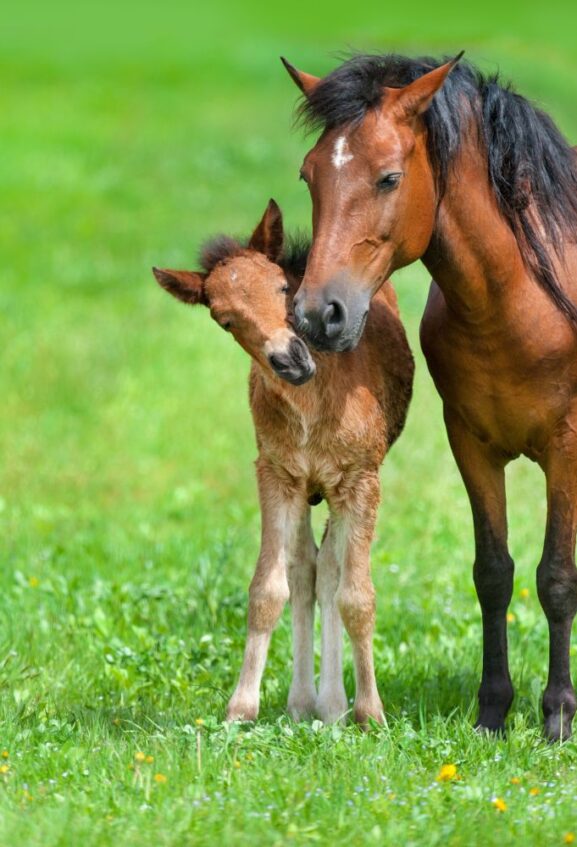
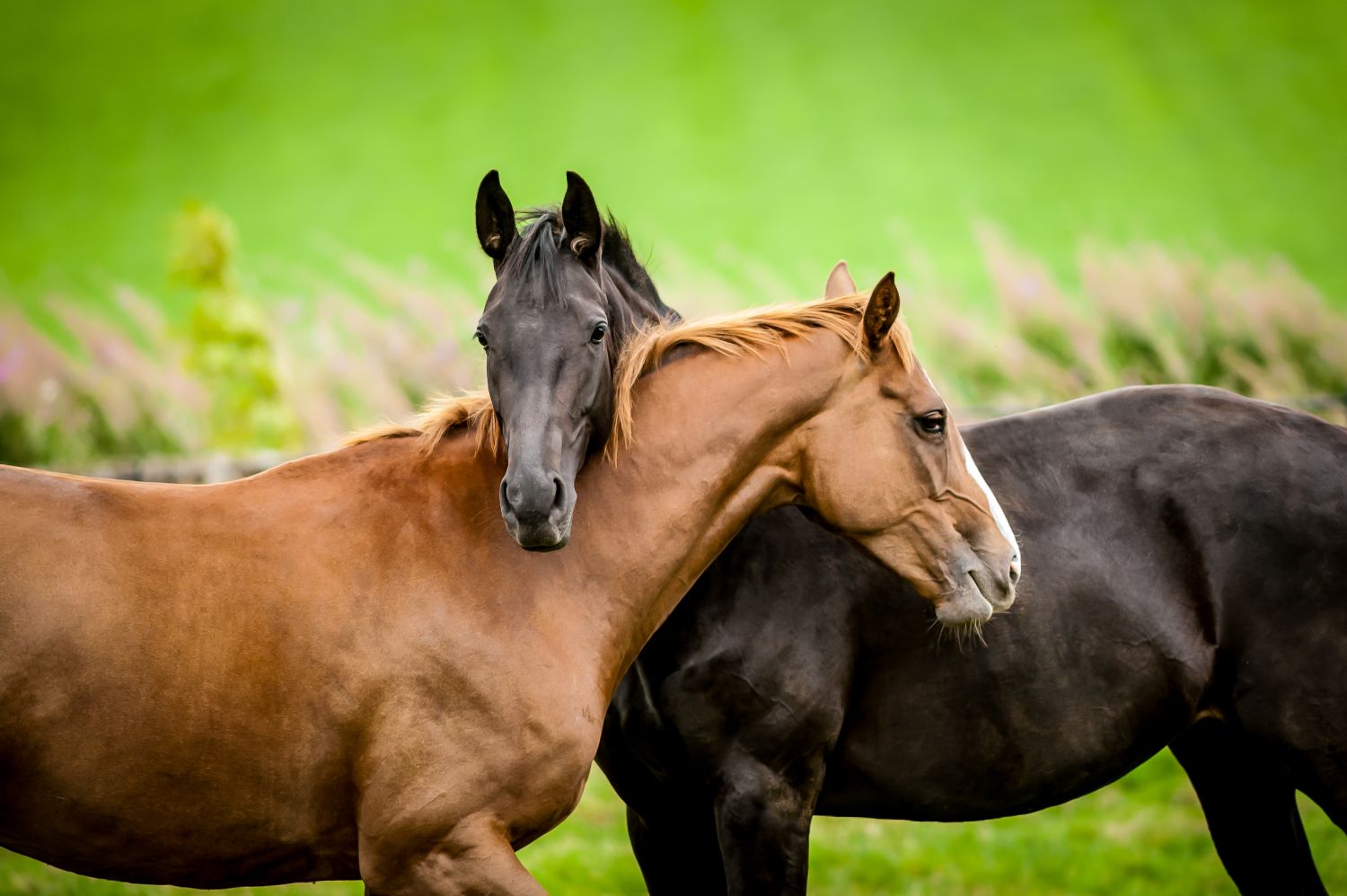
Horses are herd animals, and social connection is one of the biggest contributors to horse happiness.
If your horse lives alone, consider safe ways to increase contact with others. Companionship could come from another horse, a pony, or even friendly livestock such as sheep or donkeys.
If that’s not possible, enrich their social life by:
- Arranging rides or walks with friends and their horses
- Allowing your horse to see and interact with others over fences
- Spending more time in the field with them yourself
Horses who feel socially connected are less anxious, more confident, and far happier overall.
4. Encourage Relaxation and Rest Days
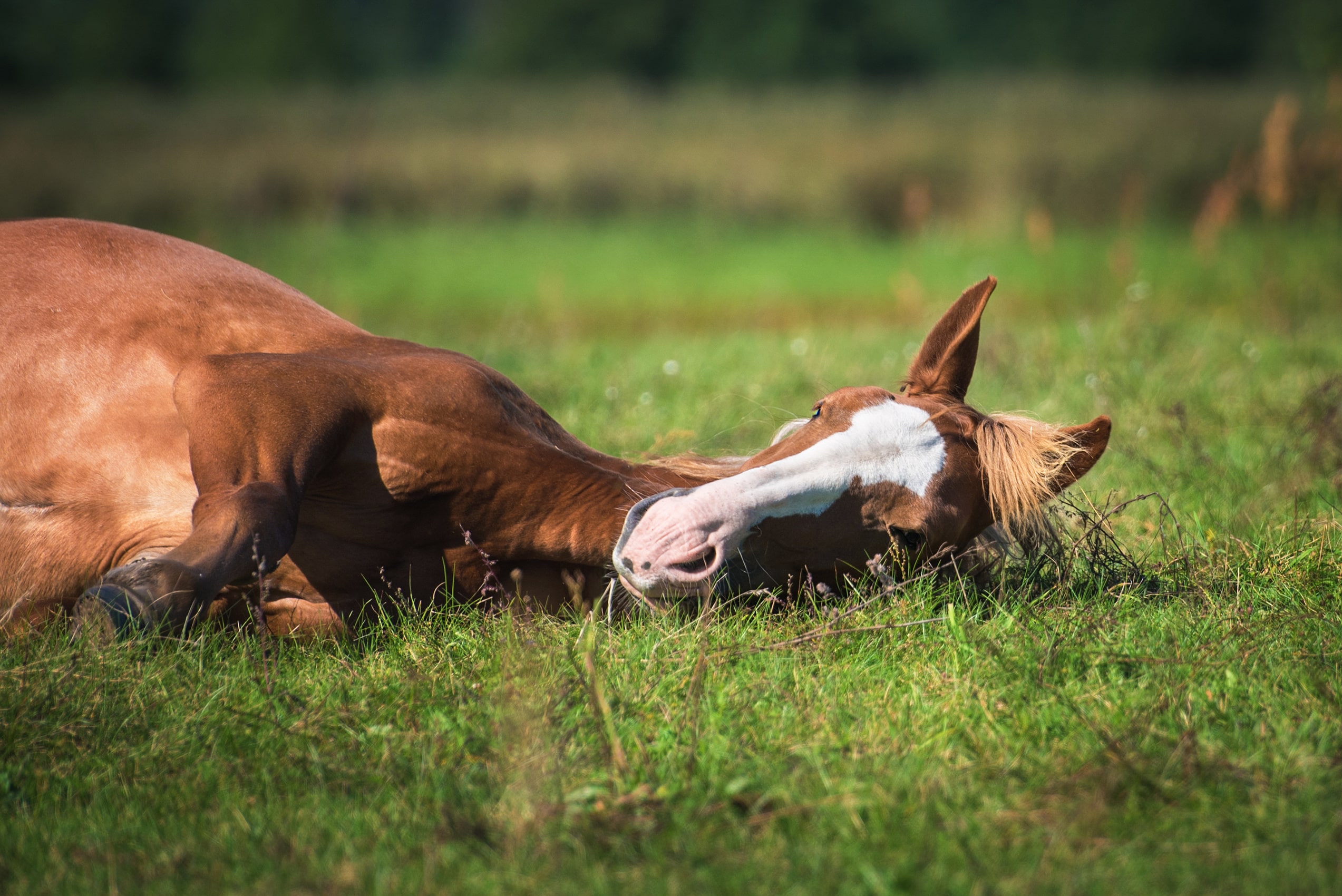
Just like humans, horses need time to unwind. Building rest days into your horse’s week gives their body and mind time to recover.
Even the most active horses benefit from quiet time in the paddock, gentle grooming, or simply relaxing in a comfortable shelter. Providing space for downtime shows your horse that they’re safe and cared for, essential for both health and happiness.
5. Strengthen Your Bond Through Grooming
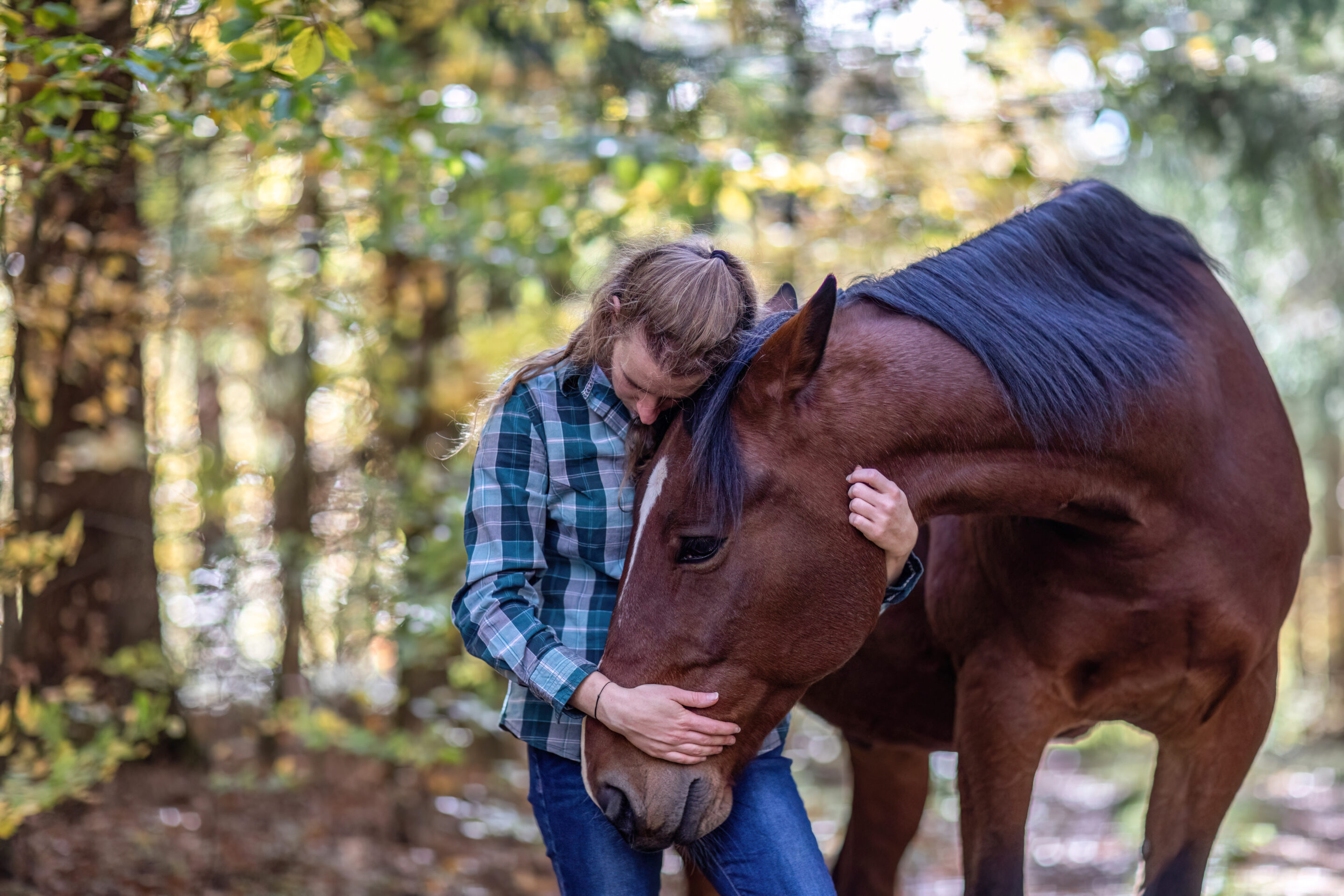
Grooming isn’t just about keeping your horse clean. It’s one of the most effective ways to bond.
Regular grooming:
- Improves circulation and skin health
- Helps you spot early signs of injury or irritation
- Reinforces trust through gentle, positive contact
As you brush, your horse becomes accustomed to your presence and touch, deepening the relationship between you. Over time, grooming can become something your horse looks forward to, a calming, rewarding ritual that enhances both of your days.
Read our guide to horse grooming for more tips.
6. Provide Enrichment and Mental Stimulation
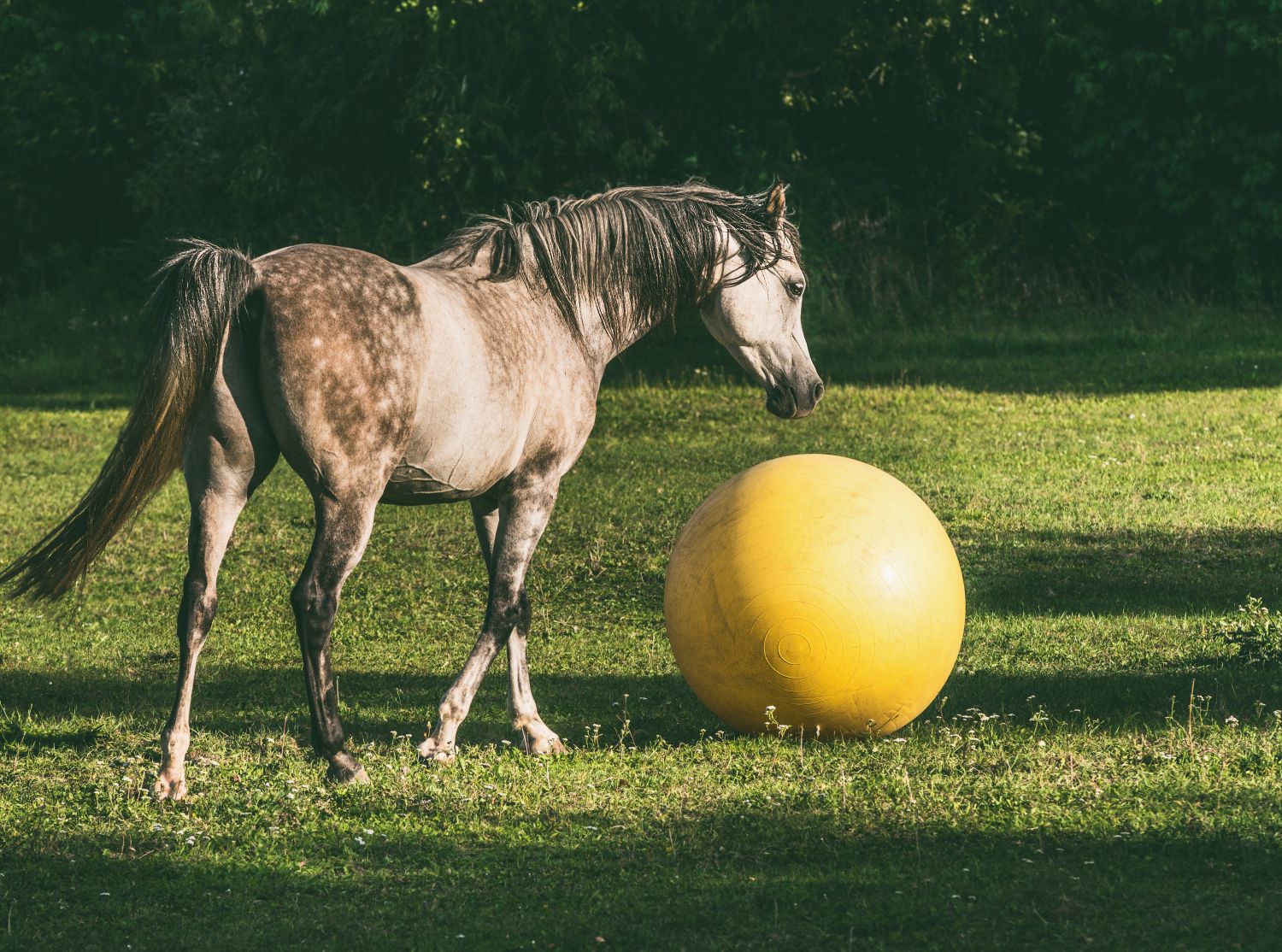
A bored horse is rarely a happy one. To keep your horse mentally and physically engaged, try:
- Hanging safe toys or treat balls in their stable
- Changing up their exercise routine with hacking, poles, or groundwork
- Allowing time to graze and explore new environments
Simple enrichment activities encourage curiosity, reduce stress, and prevent unwanted habits such as crib-biting and box-walking.
7. Spend Quality Time Together
Even if you can’t ride every day, visiting your horse regularly helps maintain their trust and sense of companionship.
You can involve your horse in your routine, let them graze nearby while you garden, tidy the yard, or simply sit and read. Horses often find comfort just being near people they trust.
If you can’t be there for a while, leaving a radio playing softly in the background can help them feel less alone and provide reassuring background noise.
8. Build Confidence to Boost Happiness
A confident horse is a happy horse. Confidence grows through consistency, kind handling, and positive experiences.
When your horse feels secure in your leadership and understands what’s expected, they’re more willing to try new things, trust you during training, and relax in unfamiliar settings.
Confidence takes time, but every calm, rewarding experience adds up to long-term happiness and trust.
9. Keep an Eye on Their Social Behaviour
Watching how your horse interacts with others can tell you a lot. Horses that groom, graze, or rest near each other are usually content. Signs of aggression or avoidance may mean something’s wrong, whether it’s a health issue or a clash in the group dynamic.
Understanding your horse’s social preferences helps you make small changes that can dramatically improve their overall mood and well-being.
10. A Happy Horse Starts with a Safe, Comfortable Home
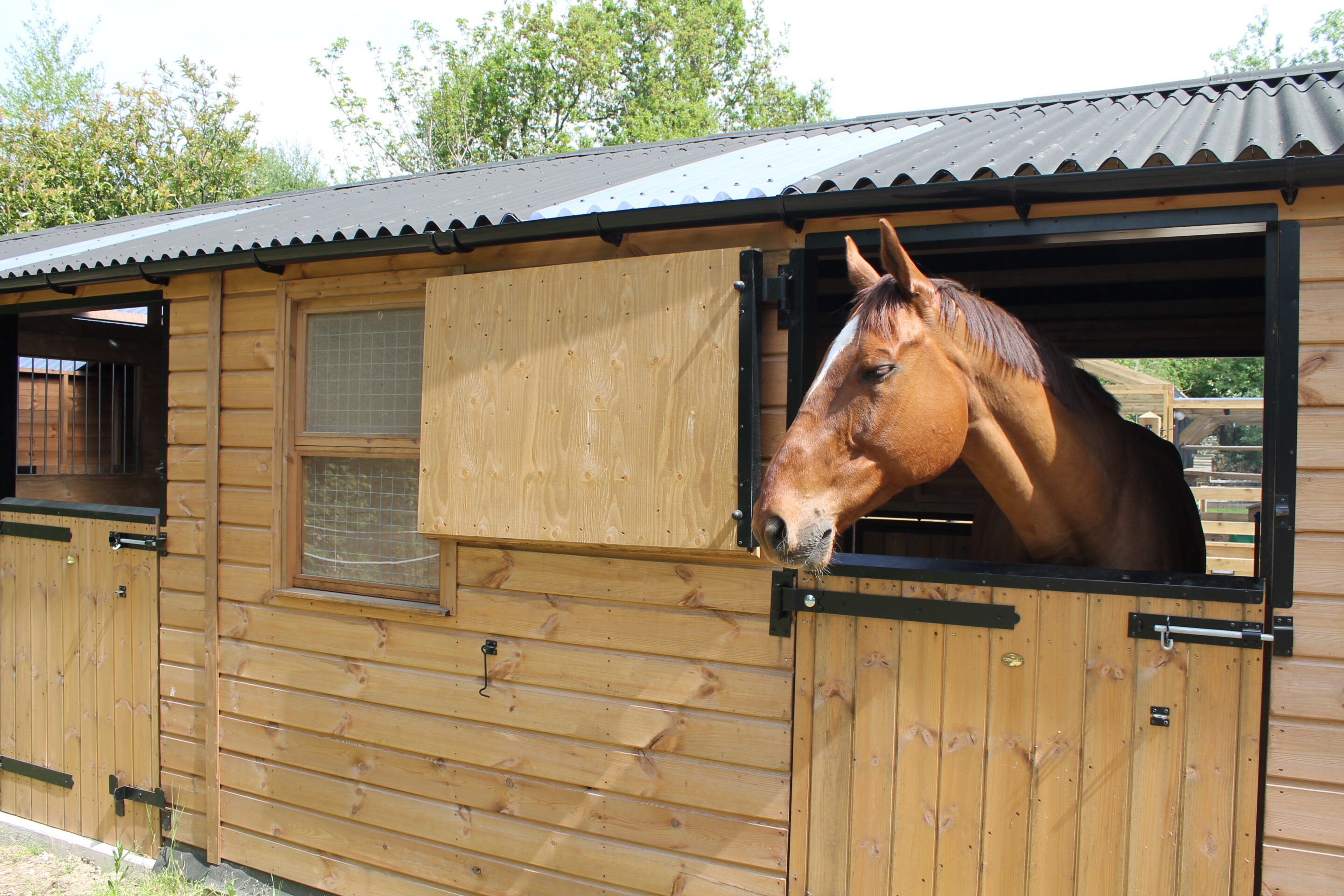
Your horse’s environment plays a huge part in their happiness. A well-designed stable or field shelter gives them security, protection from harsh weather, and space to rest peacefully.
At Prime Stables, our bespoke timber stables, mobile field shelters, and equine buildings are designed and crafted with your horse’s comfort and welfare in mind. Built from sustainable, high-quality timber and expert craftsmanship, they provide the ideal home for your horse to relax, rest, and be happy.
Final Thoughts
Every horse is unique, but how to make your horse happy always comes down to the same principles: comfort, companionship, and care. By recognising the signs of horse happiness and providing an enriching routine, you’ll not only strengthen your bond but also ensure your horse enjoys a fulfilling, contented life.
FAQs About Horse Happiness
How to tell if your horse is happy?
You can tell if your horse is happy by observing relaxed body language such as soft eyes, calm ears, and a loose tail. Happy horses also graze calmly, interact positively with others, and show interest in their surroundings.
What can I do to keep my horse happy?
To keep your horse happy, provide a consistent routine, social contact, plenty of turnout, and mental stimulation. Regular grooming and quiet time together also help strengthen your bond and improve your horse’s confidence.
Do horses like toys?
Yes, toys and enrichment activities help prevent boredom and encourage healthy mental stimulation. Items such as treat balls, hanging toys, and interactive feeders can keep your horse entertained and engaged.
How can I make my horse more confident?
Confidence comes from gentle handling and positive experiences. Give your horse time to adjust to new environments, reward calm behaviour, and maintain a predictable routine to help them feel secure.
How important is a stable environment for my horse’s happiness?
A stable that is safe, spacious, and comfortable is vital. Horses need a secure shelter where they can rest, stay dry, and feel protected. At Prime Stables, our handcrafted timber stables are designed to promote long-term comfort and well-being.