Feeding Your Horse Well
A balanced diet is one of the most important parts of horse care. Horses require high-quality roughage such as pasture, hay, or chaff throughout the day. They also require clean, fresh water, along with the correct balance of proteins, fats, carbohydrates, minerals, and supplements if advised by your veterinarian. Every horse is unique, so if you are unsure whether your horse needs additional support from supplements or specific feeds, it is wise to consult your vet.
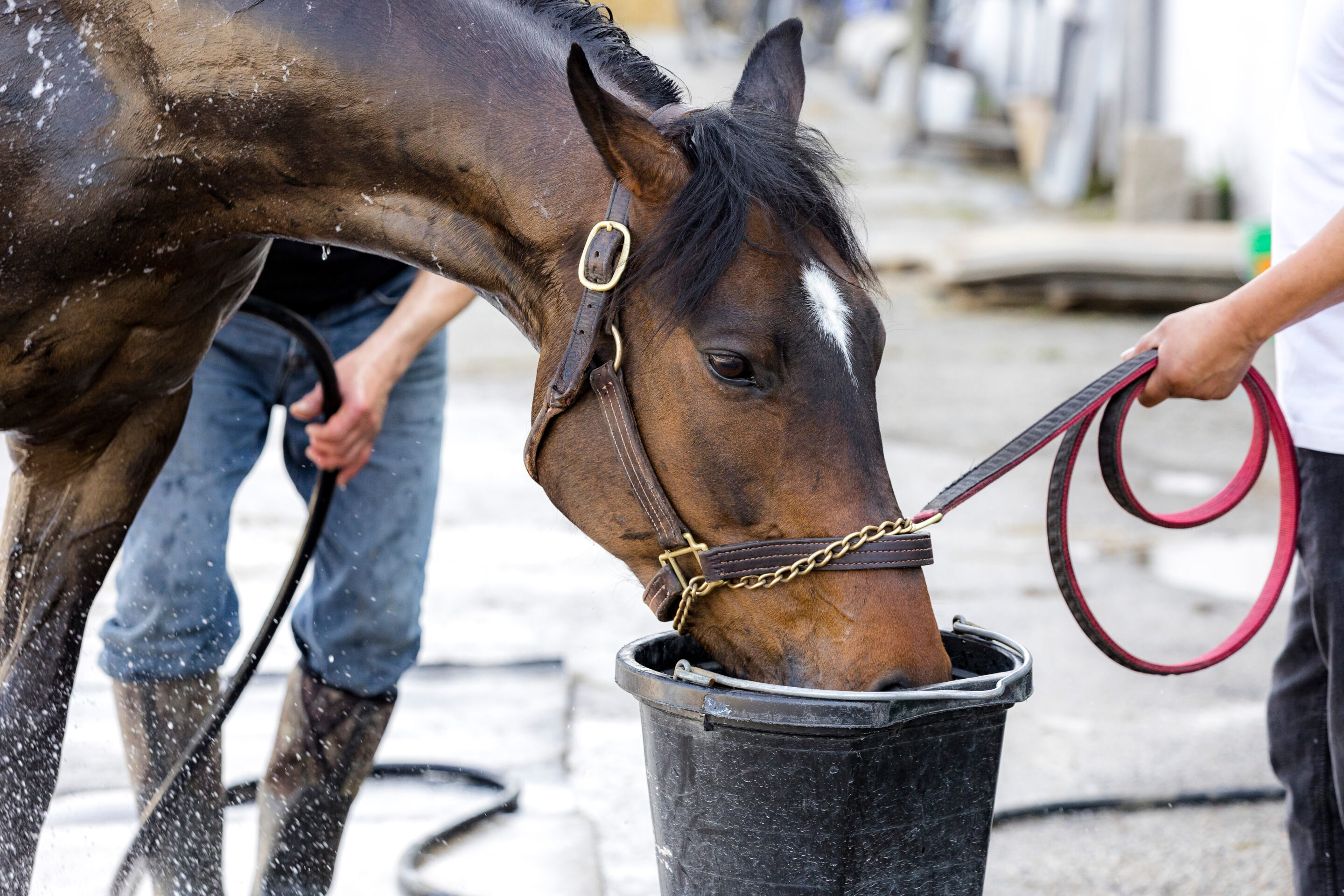
Keeping Your Horse Hydrated
Horses drink around 25 to 45 litres of water each day, depending on their size, workload, and the weather. Dehydration can cause weakness, digestive issues, and, in severe cases, collapse. Fresh water should be available at all times. Check buckets or troughs regularly, clean them out, and refill them as needed to keep the water clean and appealing.
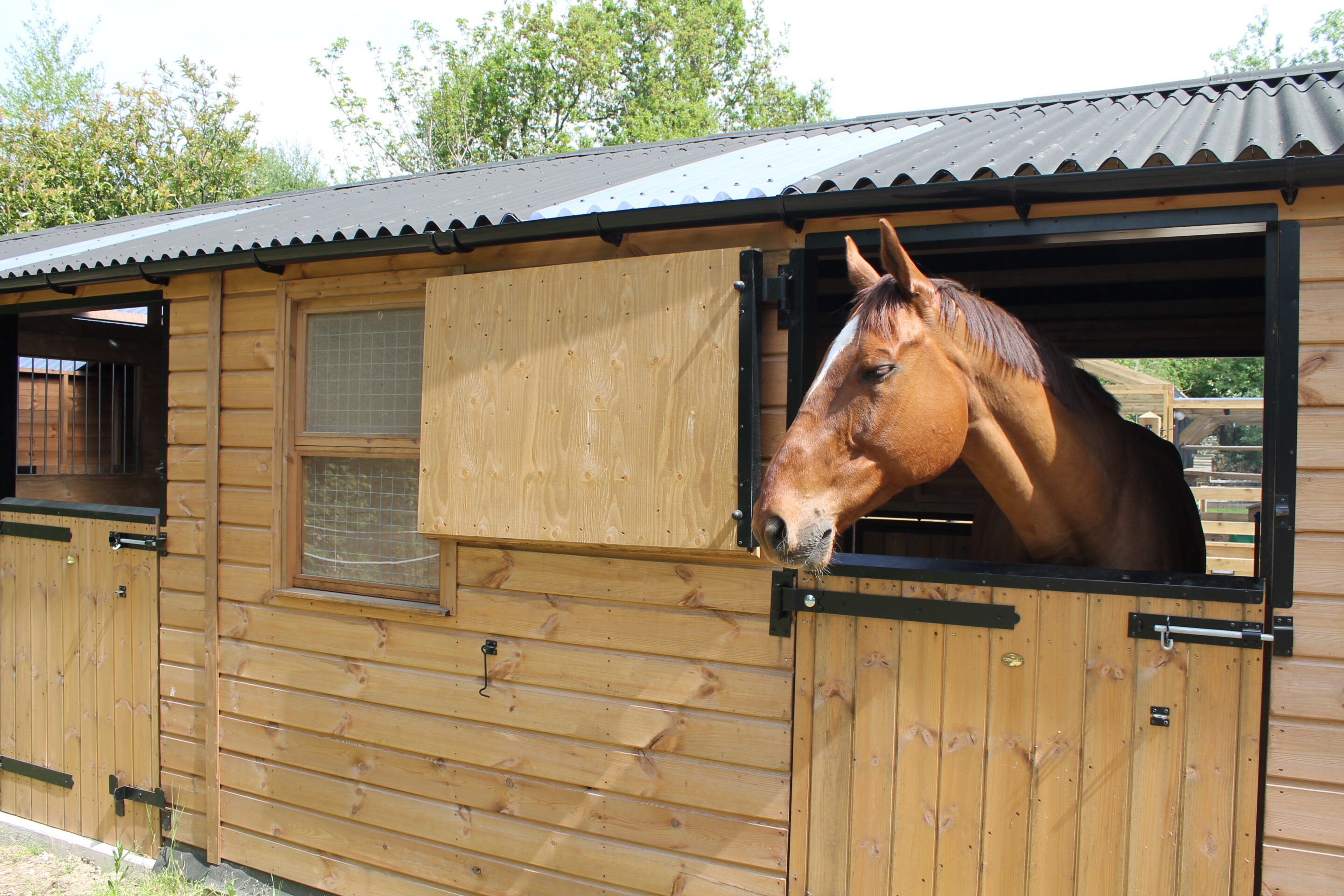
Providing Suitable Shelter
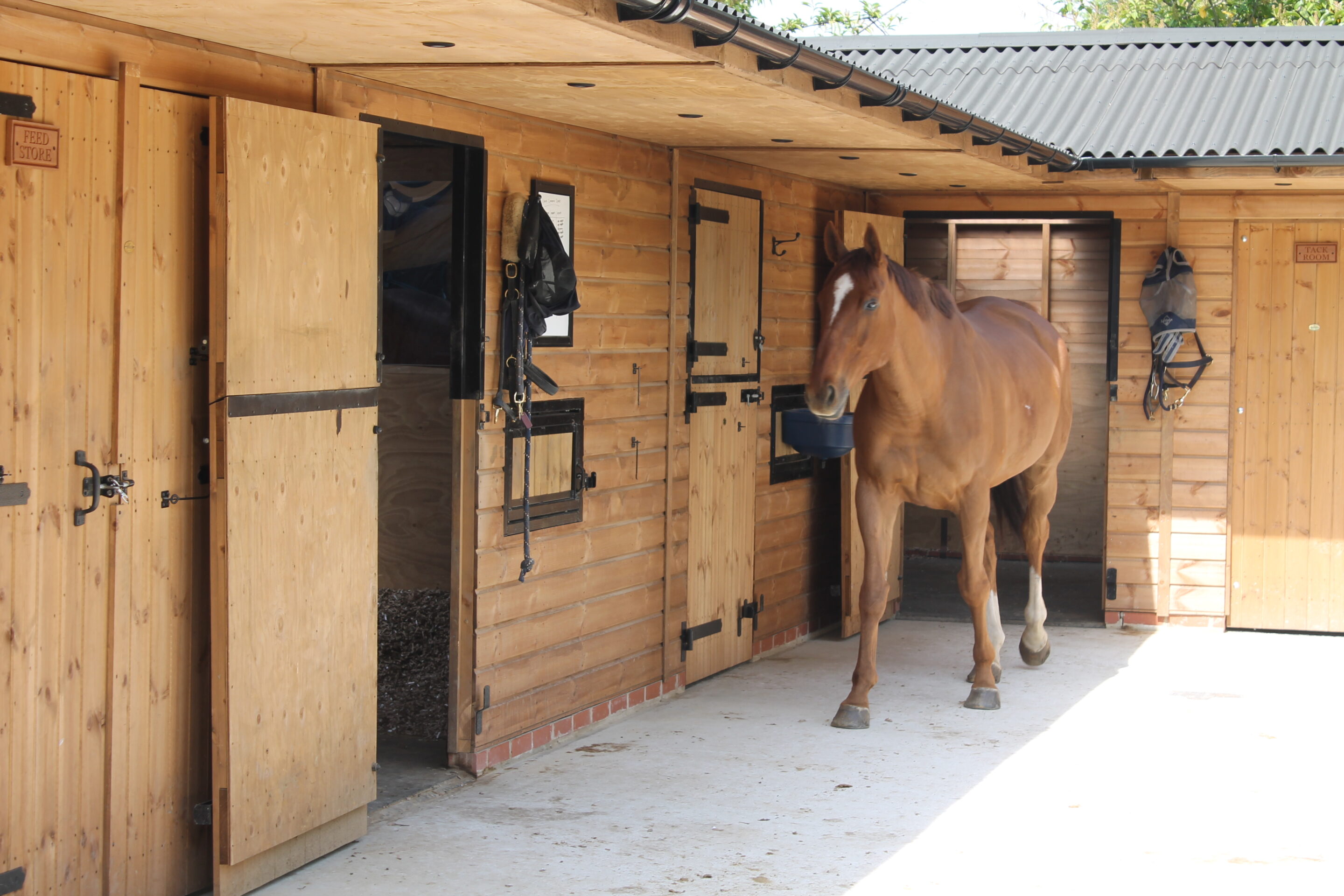
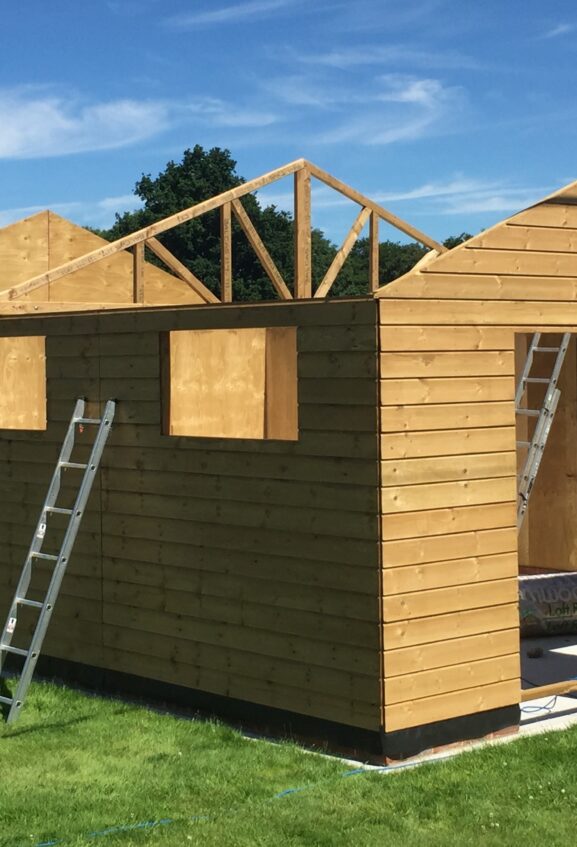
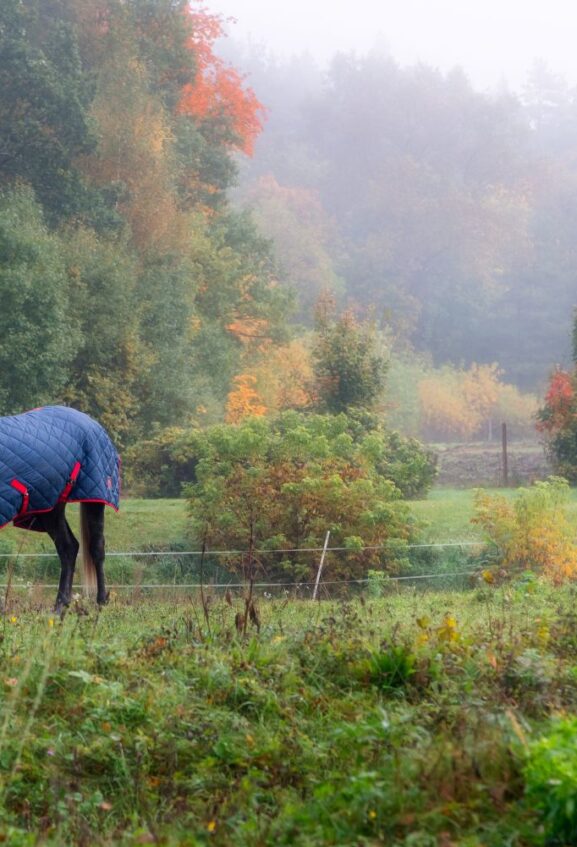
Shelter is central to good equine care. Horses need protection from rain, strong winds, and hot sunshine to remain healthy and comfortable. Whether you keep your horse on your property or at a livery yard, providing a safe and secure space is essential.
At Prime Stables, we offer a range of top-quality and eco-friendly stabling solutions, including stable blocks, static field shelters, mobile field shelters, mobile stables, and more. A quality, well-maintained shelter supports your horse’s happiness and wellbeing, and helps prevent many health issues.
Exercising Your Horse
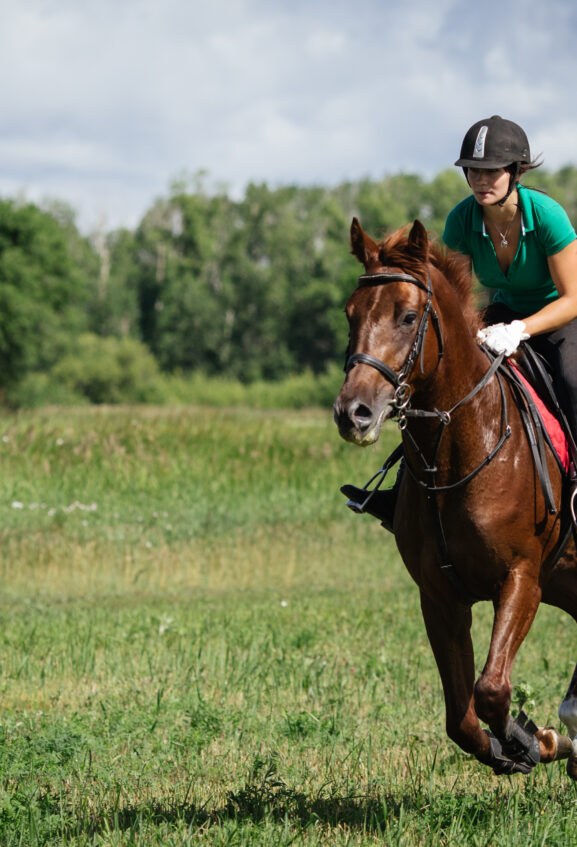
Regular exercise keeps your horse physically fit and mentally stimulated. From hacking to schooling, lunging, or simple hand walking, exercise helps build muscle tone and supports overall wellbeing. Every horse is different, so observe your horse’s energy levels and behaviour to determine the right amount and type of exercise. Sudden changes in condition or fitness can indicate a developing health concern, so monitoring their physical state each day is important.
Creating and Maintaining a Safe Paddock
A well-kept paddock encourages healthy movement, grazing, and contentment. Regular tasks include removing weeds, clearing rubbish, repairing fences, and checking gates. Seasonal field management, such as reseeding, trimming hedges, and maintaining water supplies, helps keep your horse safe. Rotating fields can also prevent overgrazing and promote better grass growth.
Learn more about how to prevent a horse-sick field.
Grooming for Health and Bonding
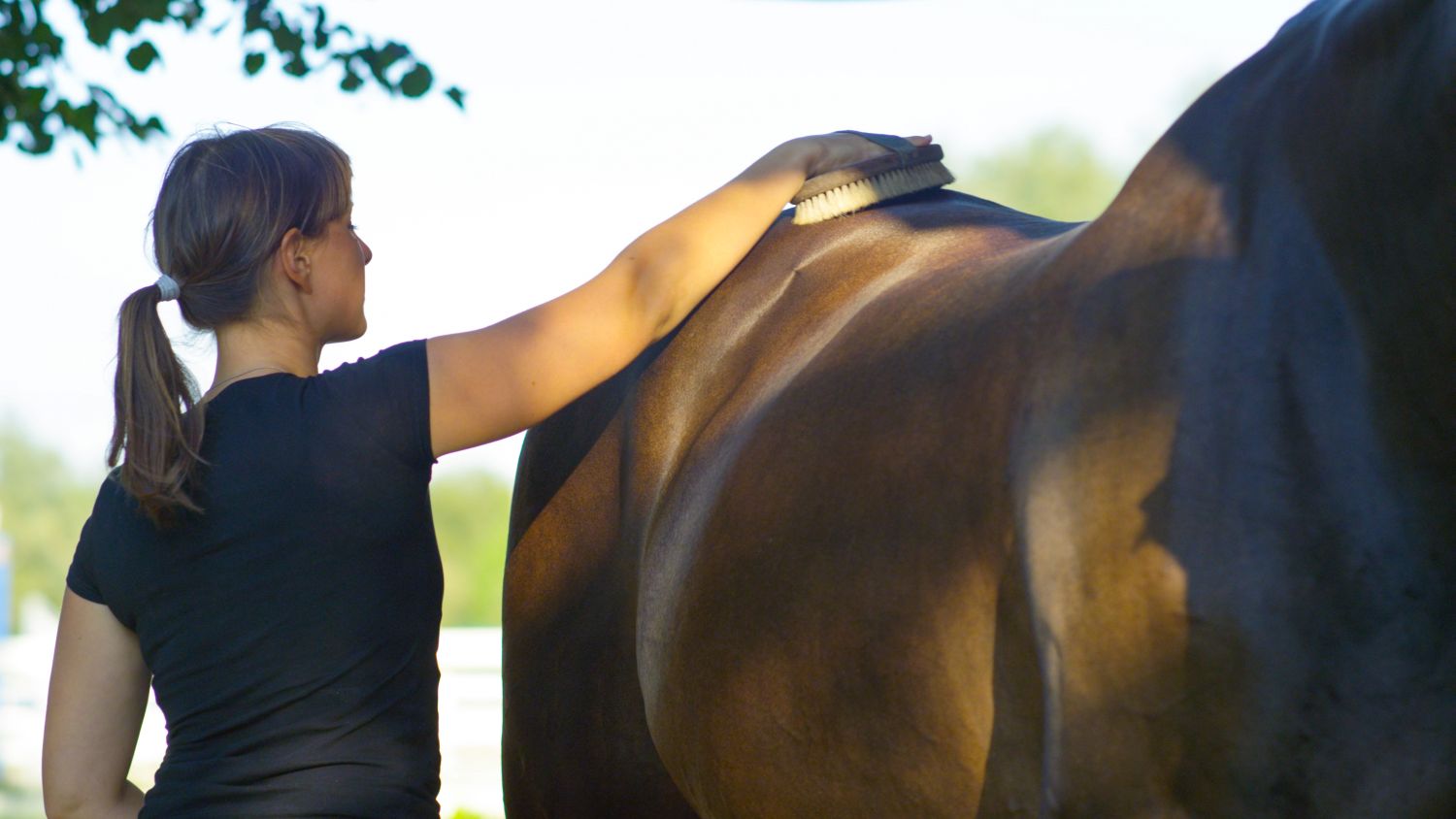
The state of your horse’s skin and coat can also be a great signifier as to the health of your horse. A healthy horse should have soft and supple skin with natural elasticity. So, if your horse is healthy, his coat should be smooth and shiny. If this isn’t the case, your horse could be exhibiting signs of an underlying health problem or signifying that it needs more regular grooming.
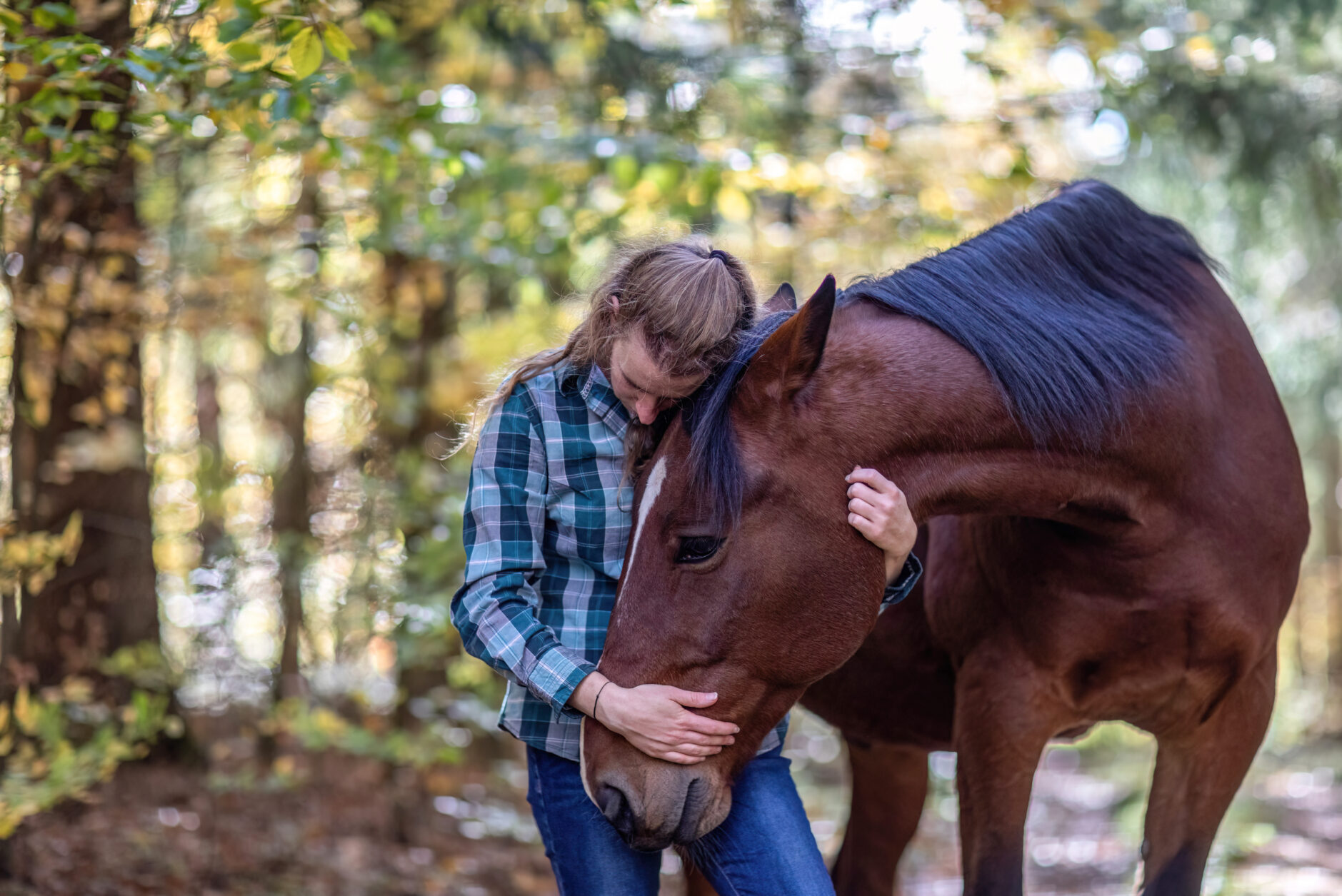
Horse care and grooming go hand in hand. Regular grooming keeps the coat clean and healthy while offering valuable time to bond with your horse. Grooming involves brushing the coat, mane, and tail, cleaning the face, and always picking out the hooves. This hands-on contact allows you to notice changes such as lumps, cuts, heat, or sensitivity, which may indicate an underlying problem. Grooming also stimulates circulation and helps maintain a shiny, healthy coat.
Read our expert guide to horse grooming to learn more.
Understanding Horse Hoof Health and Care
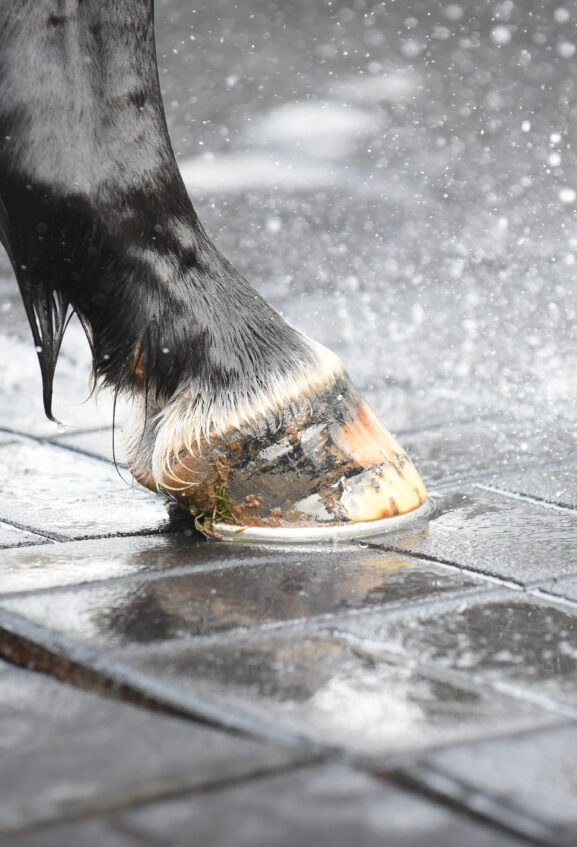
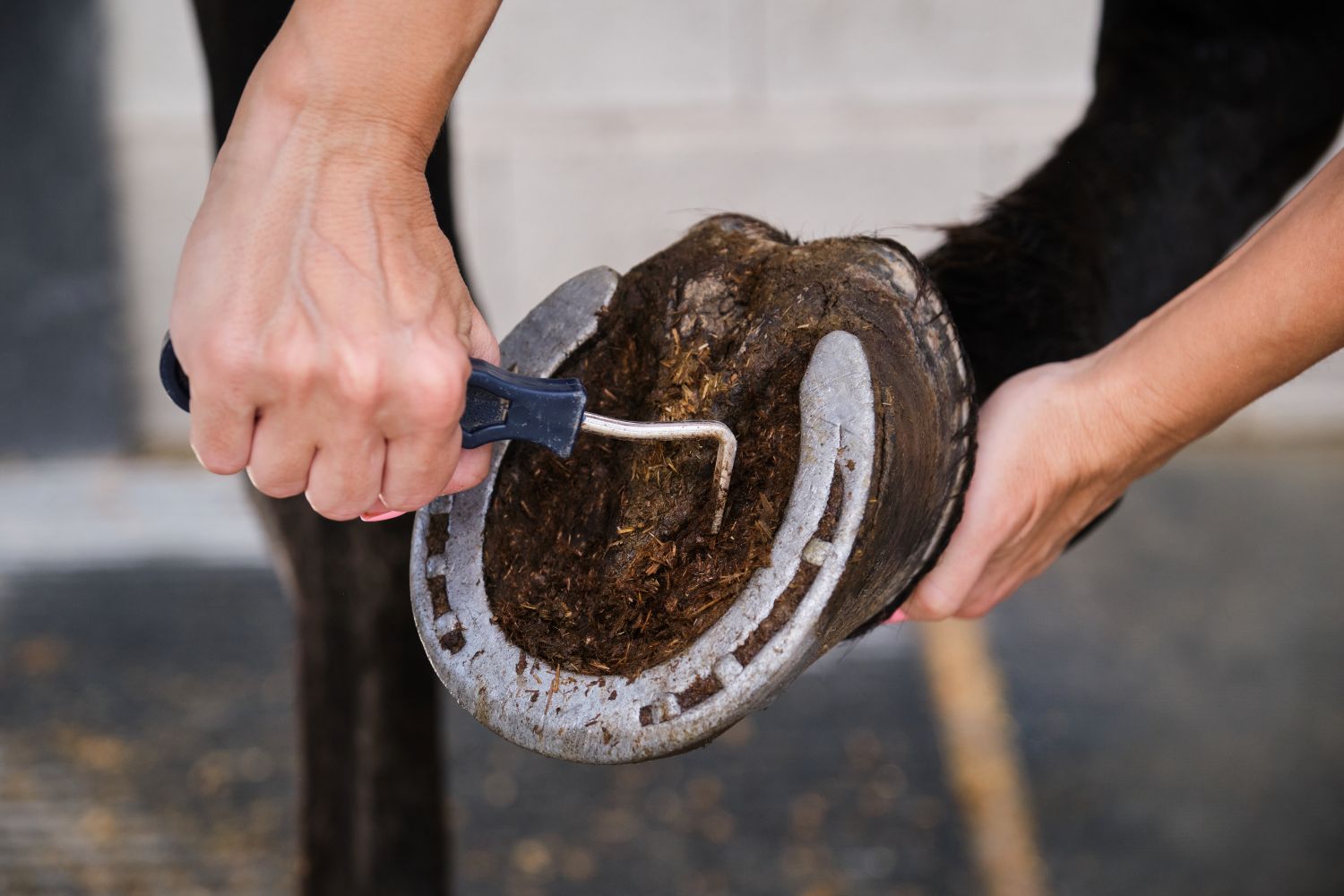
Many problems begin in the feet, so horse hoof care should never be overlooked. Hooves should be picked out and checked every day, removing stones, mud, and debris. Most horses benefit from a visit from the farrier every six to eight weeks for trimming or shoeing, depending on their needs. Healthy hooves support natural movement and comfort, whereas neglected feet can quickly lead to lameness and more serious complications.
Learn more about how to protect your horse’s hooves.
Carrying Out Daily Health Checks
Routine health checks allow you to detect early signs of illness. Start with vital signs, including heart rate, respiration rate, and temperature. Observe gum colour, gut sounds, and digital pulse to build a clear picture of normal health for your horse. Eyes should appear bright, noses clean, and ears alert. Skin and coat should look smooth and shiny, with good elasticity. Any dullness, discharge, or swelling should be taken seriously and discussed with your vet.
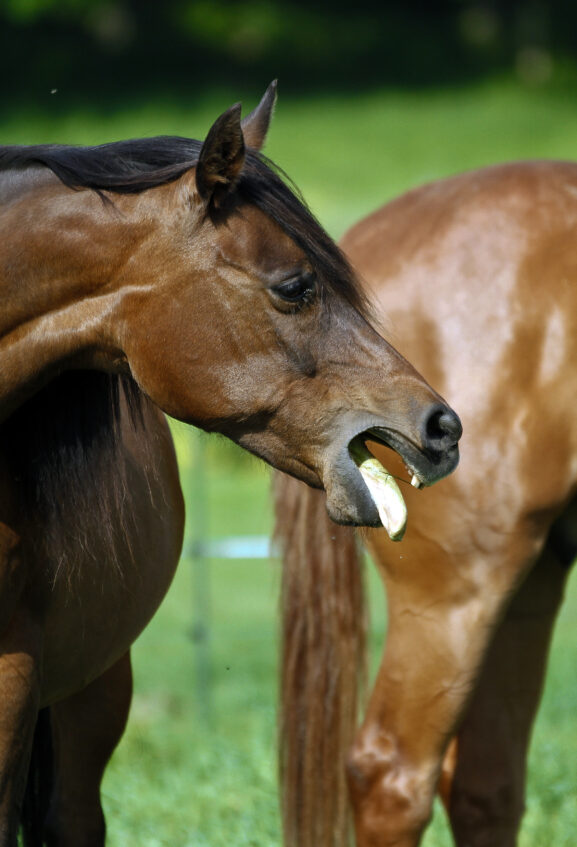
Teeth also require regular attention. Young horses usually need an annual dental check, whereas older horses may require checks every three to six months. Signs of dental problems include difficulty eating, foul breath, headshaking, or reluctance to accept the bridle. Early dental care helps prevent pain and supports proper digestion.
Horse Vaccinations and Deworming
All horses need vaccinations, so they are protected against illnesses such as tetanus, influenza, and rabies. Your veterinarian will be able to advise you on the necessary vaccinations and what’s best to do when. Your vet will also advise you on how to deworm your horse. This will help prevent issues of weight loss, colic, and poor coat quality. Ensuring your horse gets the right vaccinations and receives deworming when necessary is an essential part of correct horse care.
Back, Limb, and Mobility Checks
Your horse should be able to walk, stand, and move comfortably on all four feet. Daily observation helps you spot uneven weight distribution, stiffness, or reluctance to move. Similarly, checking the back for soreness, tension, or hollowing can help catch issues early. Horses with back discomfort often show changes in behaviour when ridden, so regular checks are essential.
Companionship and Emotional Wellbeing
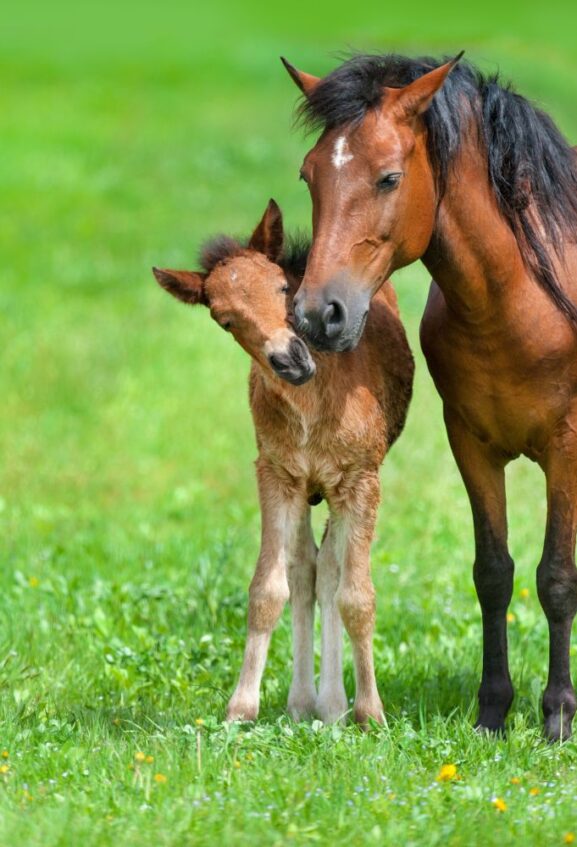
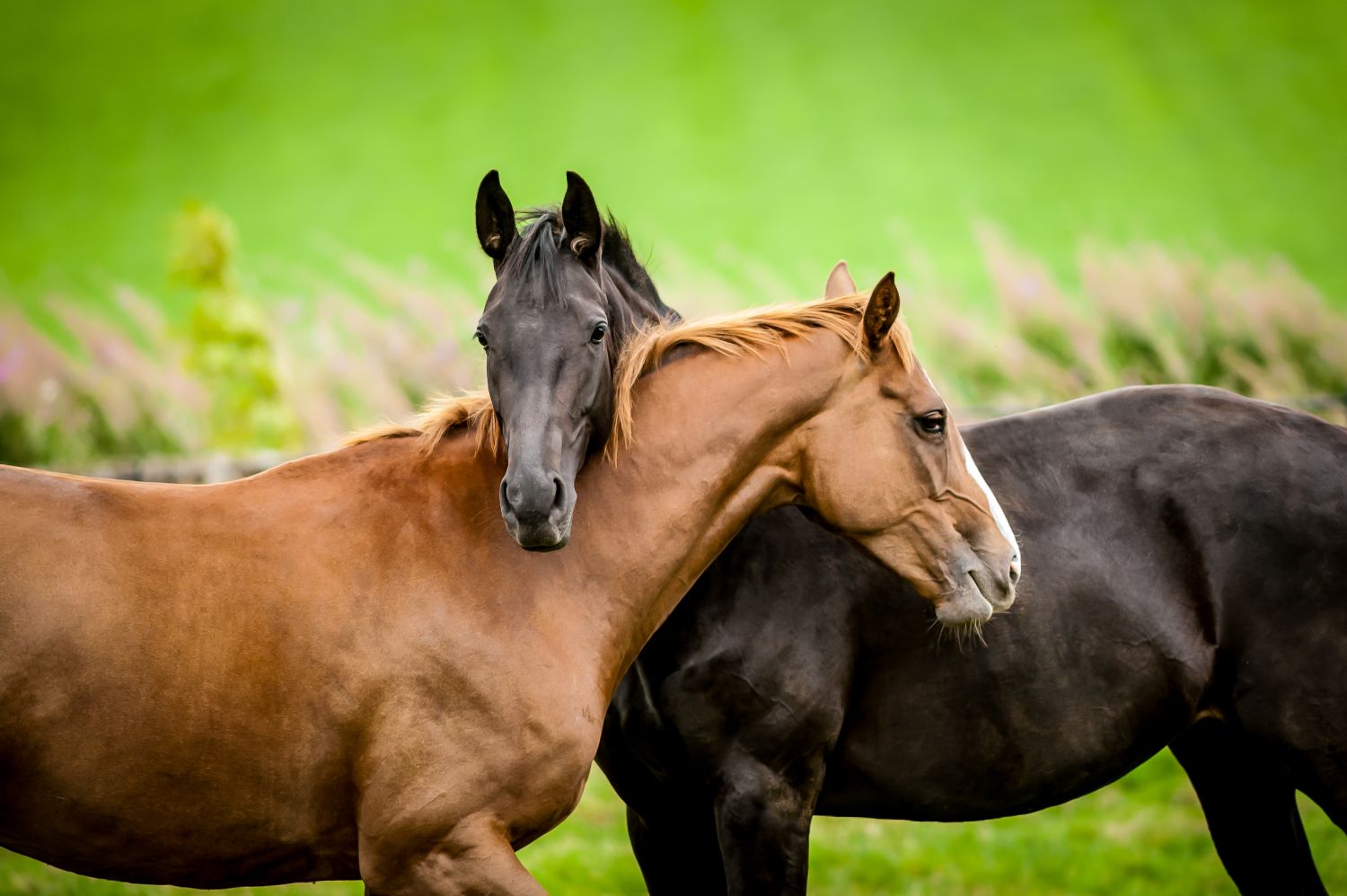
Horses are herd animals by nature and thrive in the company of others. Loneliness can lead to stress, anxiety, and behavioural issues. If keeping more than one horse is not possible, companionship through neighbouring paddocks or even something as simple as leaving a radio on in the stable can provide comfort.
Find out more about how to keep your horse happy.
Preparing for Emergencies
Accidents and sudden illness can still occur even with excellent care. Have a clear emergency plan in place and consider microchipping your horse for safety. Keeping useful contact numbers and a well-stocked first aid kit accessible can make all the difference when quick action is needed.
Give Your Horse a Prime Home
Caring for your horse well begins with the right environment. If you are looking for high-quality, long-lasting, and comfortable stabling solutions designed with horse care in mind, speak to our friendly team. We will help you choose the perfect stable or shelter for your horse’s needs.
We design, craft, and install top-quality equine buildings across the UK and Europe. Call us today or request your free brochure to get started.