What is Horse Laminitis?
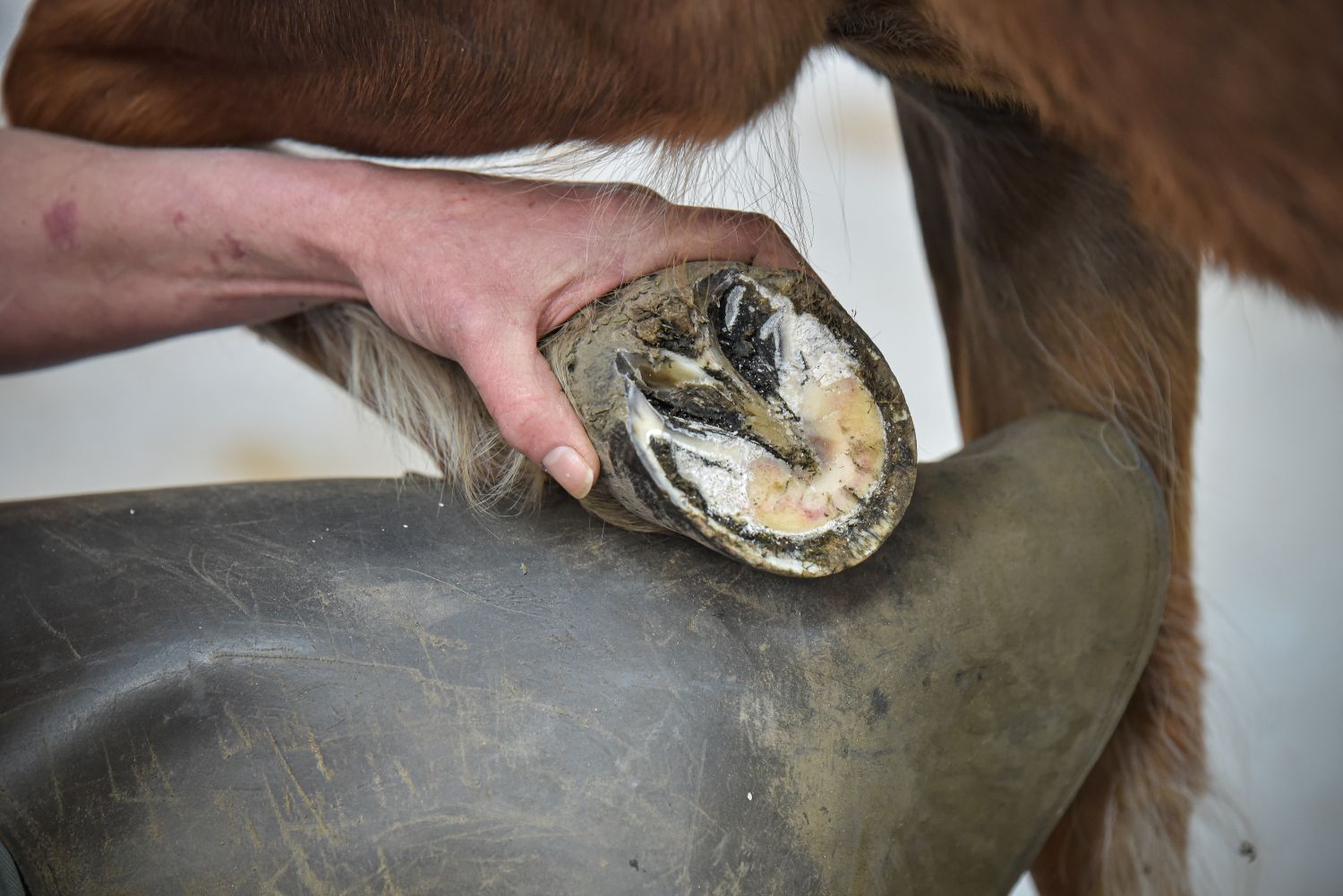
Laminitis is a painful inflammatory condition of the tissues that can affect horses of any age or gender, at any time of the year. Laminitis is caused by a weakening of the supporting lamina within the hoof. This causes painful tearing of the support structure that suspends the pedal bone within the hoof. If the condition is not treated properly, it can worsen and cause considerable damage.
Causes of Laminitis in Horses
The true cause of laminitis in horses is still unclear. However, there are a number of factors that may lead to the condition or cause it to worsen. There are also a number of factors that can make a horse predisposed to getting the painful condition.
- Overweight and Overfeeding: Excess body weight and sudden feed overload greatly increase laminitis risk. When a horse consumes too much soluble carbohydrate, the small intestine cannot process it, causing it to overflow into the hindgut. This disrupts the gut’s bacterial balance, creating acidity that damages fibre-digesting bacteria. As these bacteria die, toxins pass into the bloodstream, affecting circulation in the feet and triggering laminitis.
- Stress: Prolonged or intense stress, such as long journeys or changes in routine, causes the body to release high levels of corticosteroid hormones. These act similarly to administered steroids and can make a horse more susceptible to laminitis.
- Toxaemia: Toxaemia occurs when toxins enter and circulate through the bloodstream. It can result from severe diarrhoea, infections, or a retained placenta after foaling. The presence of toxins can affect blood flow to the feet, increasing laminitis risk. Veterinary attention is essential if toxaemia is suspected.
- Trauma and Weight-Bearing Issues: Concussion from hard surfaces or uneven weight bearing due to injury can overload one limb, making laminitis more likely.
- Certain Medications: Drugs such as corticosteroids can constrict arteries in the hoof, reducing blood flow and potentially triggering laminitis.
Common Symptoms of Laminitis
The symptoms of laminitis differ with each horse. Some horses clearly show extreme pain reactions to the condition, while others show very few symptoms.
Acute Laminitis
For horses suffering from acute laminitis, symptoms can come on very quickly and severely, causing extreme pain. A horse suffering from acute laminitis will show a reluctance or complete inability to walk or move due to the pain. With acute laminitis, your horse will be visibly lame when moving and, when standing, may well support its weight on its hind legs to relieve the pressure on its front feet.
Chronic Laminitis
Horses with chronic laminitis will show signs of laminitis and ongoing symptoms that generally result from a previous attack. The horse’s hoof will have what appears to be growth rings around the hoof wall, which generally indicates that it has suffered from laminitis in the past. In cases of chronic laminitis, the heel will often grow faster than the toe, and the white line in the hoof will have widened.
Laminitis Treatment
- Call the vet
- Remove the horse from the grass and confine them to deep, supportive bedding (sand, sawdust or pea gravel)
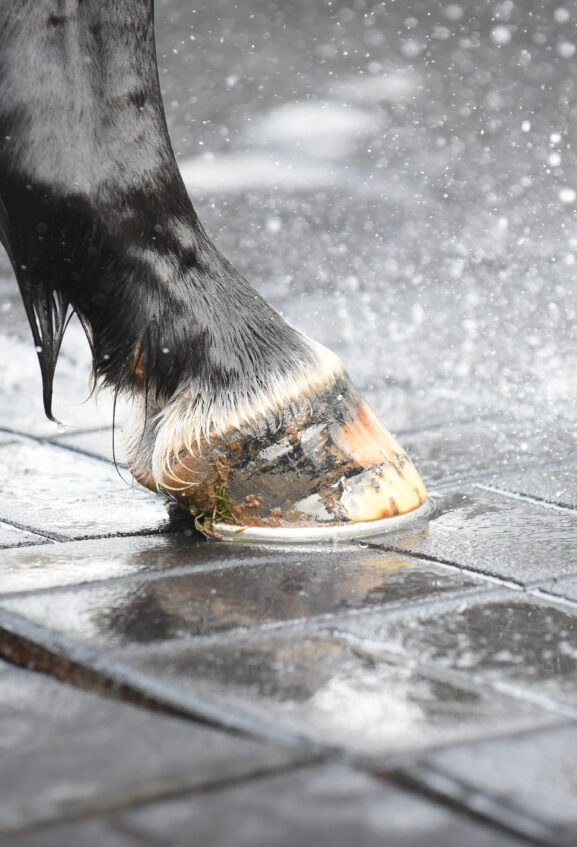
- Apply cold therapy to the feet to reduce inflammation and pain
Correct treatments need to be administered by your vet as soon as possible to prevent any lasting damage to the feet and provide effective pain relief.
Is There a Cure for Laminitis in Horses?
Most horses will recover from laminitis, given the appropriate treatment. However, their recovery will depend upon many factors, including when the problem was first spotted, how severe the problem was, and how soon treatment was started. The mildest forms of laminitis can often be cured quickly by making simple changes in management, notably feeding. Following the recommendations and treatments suggested by your vet and nutritionist will lay the foundation for the most successful recovery.
Check Your Horse Daily for Laminitis
To keep on top of your horse’s health and ensure they aren’t developing any clinical signs or symptoms of laminitis, carry out daily checks:
- Walk your horse on hard ground to see if he shortens his stride or seems at all unwilling.
- Turn your horse in a tight circle to see if he is reluctant to complete the task or extremely stiff.
- Check your horse’s digital pulses are normal.
- Check for areas of fat build up that are unusual (neck, above the tail, or bulges above the eyes).
How to Care for a Horse With Laminitis
Caring for a horse with laminitis involves prompt action, careful management and a supportive environment. The priority is to identify and remove the cause, whether it is diet-related, stress, trauma or an underlying medical issue. Strict rest is usually necessary, and your vet and farrier should work together to support the hoof and manage pain. Never starve a laminitic horse, as this can trigger hyperlipaemia, a dangerous condition caused by rapid fat mobilisation during starvation. Instead, focus on providing controlled movement when your vet advises, comfortable bedding to support sore feet, and regular farriery to manage hoof balance during recovery. Monitoring your horse closely for changes in behaviour, stance, or digital pulses will help you respond quickly if symptoms worsen.
How to Feed a Horse With Laminitis
A laminitic horse needs a fibrous, low-sugar diet that supports metabolism without overloading the digestive system. Feed at least one per cent of bodyweight daily in forage such as hay or oat straw, split into several small meals. Alfalfa or alfalfa–straw chaff can be helpful, as it provides fibre and calcium, and should be paired with a quality vitamin and mineral supplement. Avoid cereals and high starch feeds, choosing slow-release energy sources such as fibre and oil instead. As your horse improves, continue to manage grazing carefully, avoid frosted grass, and consider a muzzle or restricted turnout to reduce the risk of recurrence.
How to Prevent Horse Laminitis
There are numerous steps you can take in caring for your horse that help prevent laminitis from developing. Most cases of laminitis are predominantly triggered by an excessive intake of sugar and starches. This can be effectively managed through dietary changes to improve the health of your horse. You can also take further steps to prevent laminitis by ensuring your horse is not overweight, is regularly exercised, and has a healthy diet.
Creating a Comfortable Home For Your Horse
If your horse does have laminitis, it’s important that they get lots of rest and have a comfortable space to sleep. Introducing rubbing matting can make a big difference in helping to improve hoof and joint health, as well as preventing slips and falls.
If you’re looking for new stables for your horse, we create premium bespoke equestrian buildings that put your horse’s needs first. Explore our ranges now or contact us with any questions.