What Is Stable Ventilation?
Stable ventilation is the process of supplying fresh air to the stable and removing stale or contaminated air. This process has two key components:
- Air Exchange: Replacing hot, dusty, or moist air with clean air.
- Air Distribution: Ensuring that fresh air reaches all areas of the stable, especially inside individual stalls.
A high-quality horse stable ventilation system uses a combination of openings, such as windows, doors, vents, cupolas, and sometimes mechanical fans, to ensure airflow throughout the entire building.
Why Is Horse Stable Ventilation So Important?
Horses produce a significant amount of heat, moisture, and smells. Their stables accumulate warm, humid air much faster than most buildings. Without proper ventilation, this environment quickly becomes uncomfortable and hazardous.
Poor stable ventilation can lead to:
- Heaves in horses
- Dust allergies
- Respiratory infections
- Long-term lung damage
- Reduced performance and discomfort
Moisture is an especially serious issue. Just as a poorly ventilated bathroom accumulates steam and mould, horse stalls can fill with damp air as horses sweat, breathe, and generate heat. This dampness encourages mould spores, dust mites and ammonia, all of which are harmful irritants for horses and humans.
How Much Ventilation Does a Stable Need?
The most effective systems replace the full volume of air inside a stable at least once every hour. Regular air changes help reduce moisture, dust, and contamination while improving air quality and comfort.
Designing a Stable for Effective Ventilation
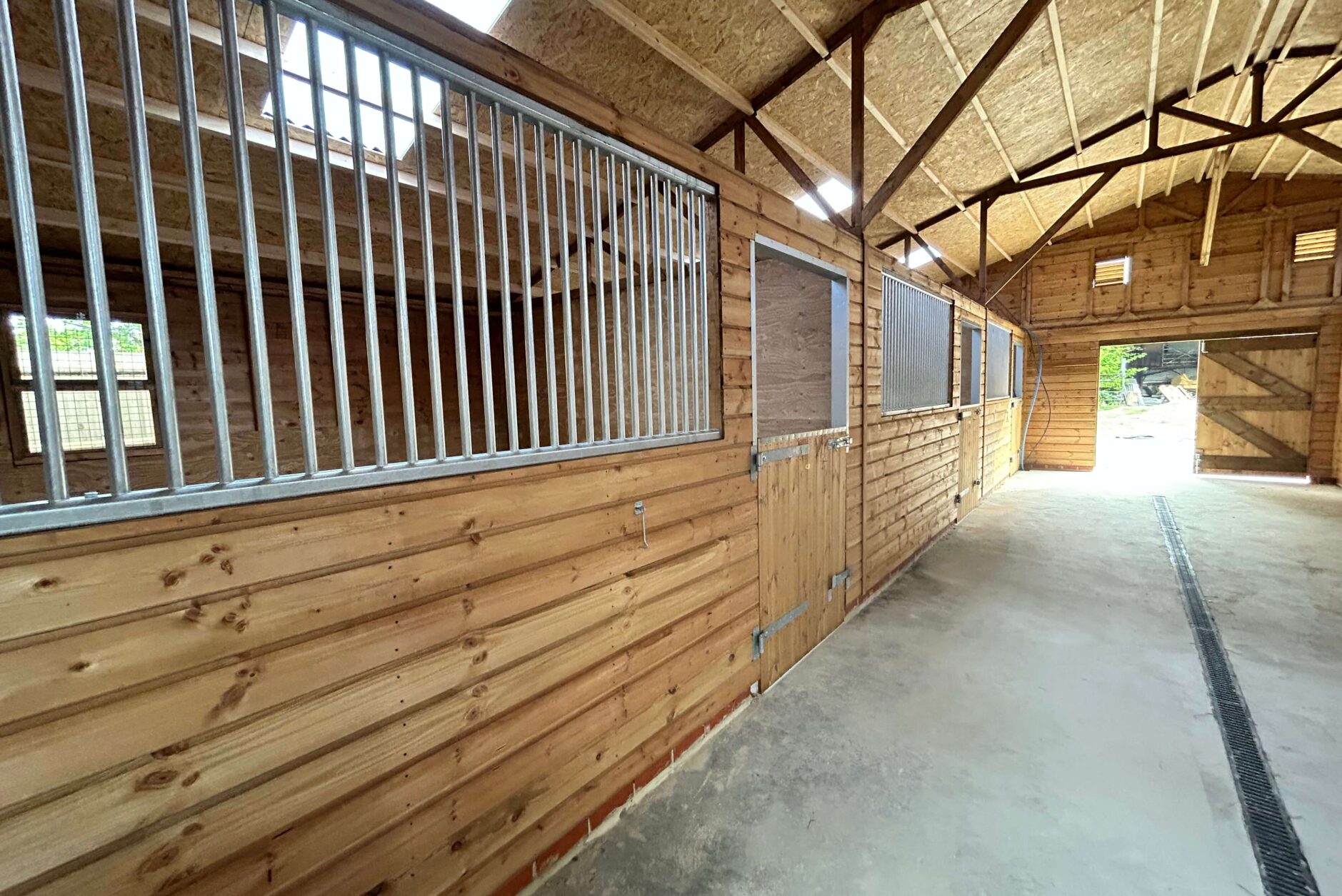
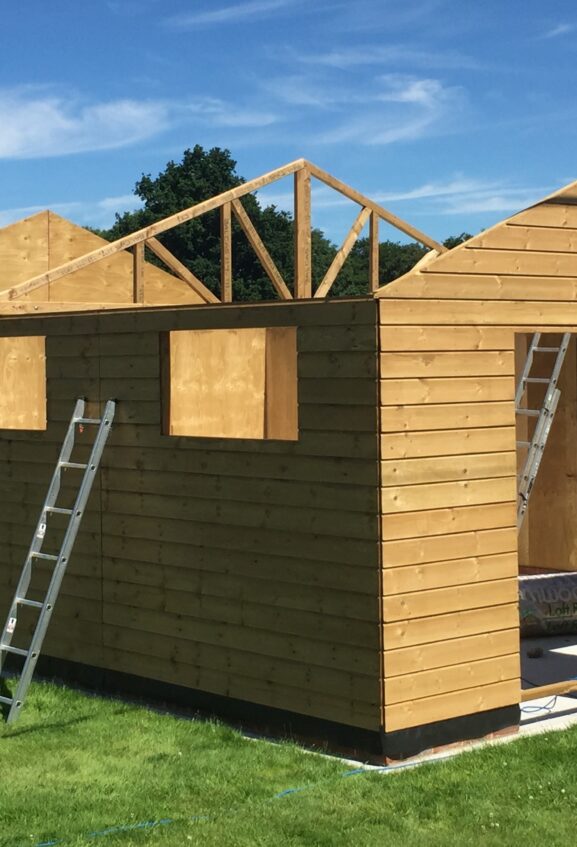
Ventilation works best when it is built into the stable design. At Prime Stables, we construct timber equine buildings that naturally maximise airflow, providing horses with a healthy, fresh environment. Windows, doors, vents, and roof structures all work together to keep air moving.
Stall Vents
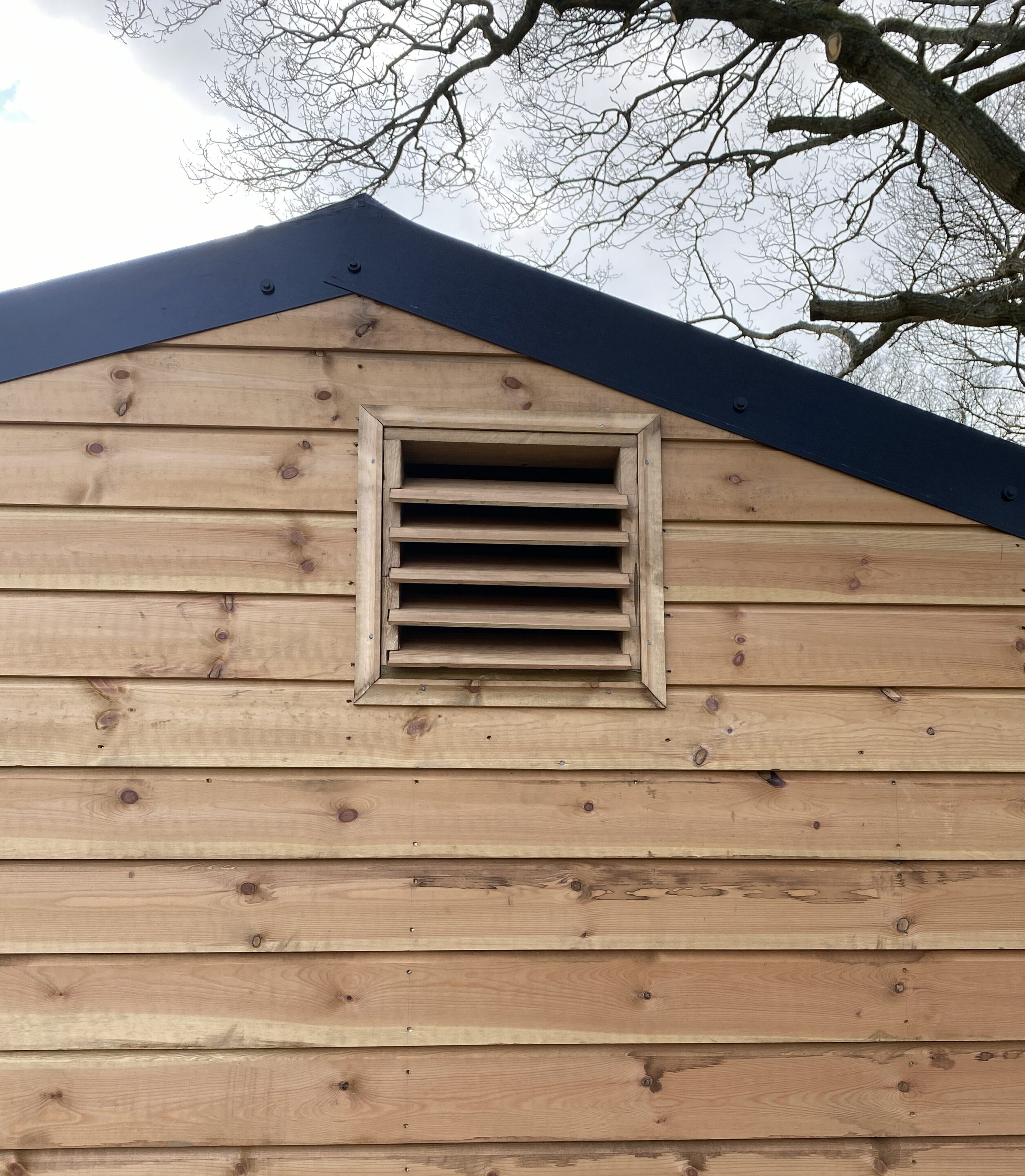
Stall vents are a simple but effective way to improve air circulation directly inside horse stalls. They provide a gentle flow of fresh air without creating direct drafts. This helps remove stagnant air where horses spend most of their time.
Stable Doors
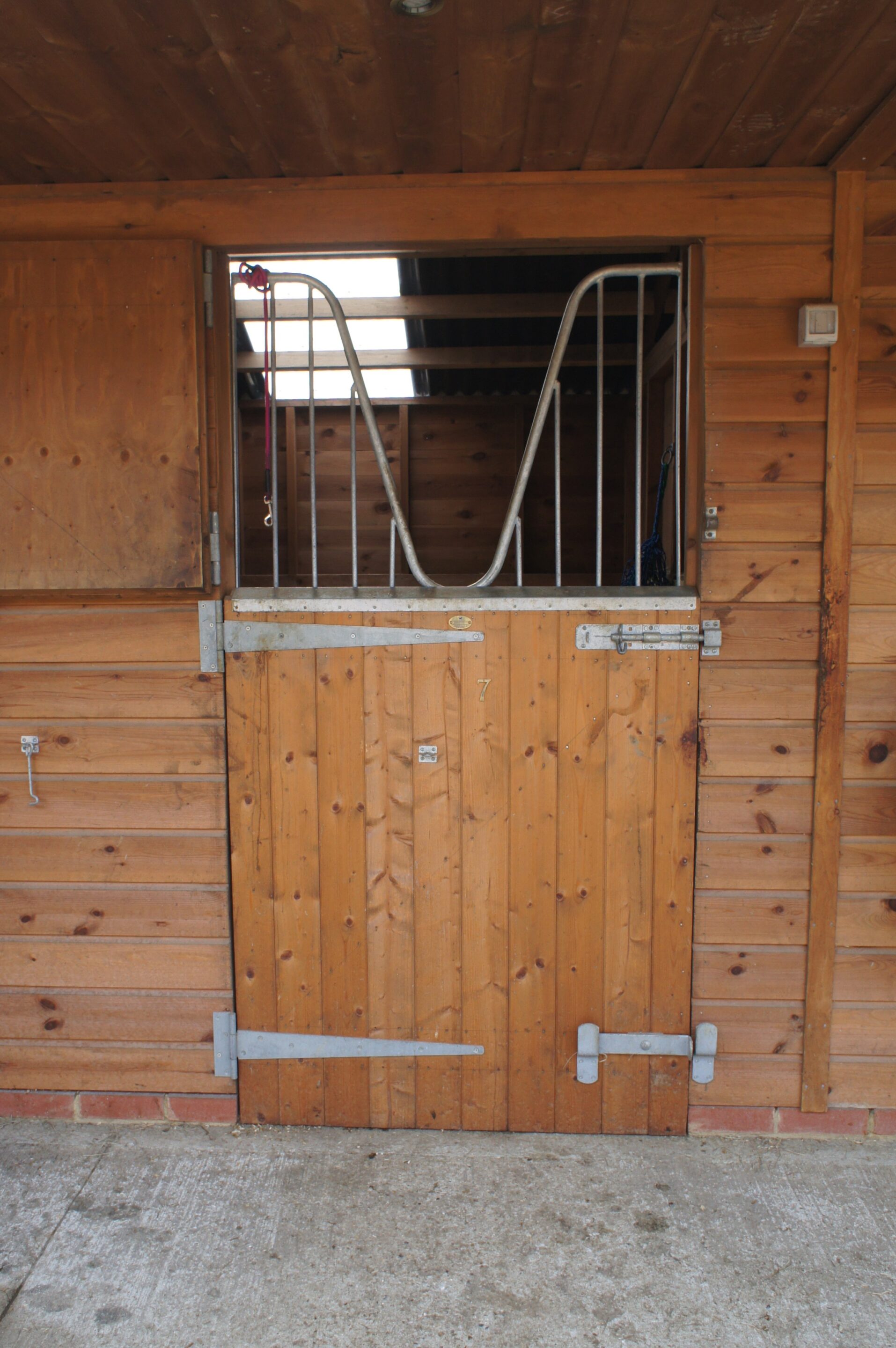
High-quality stable doors offer more than easy access. When opened daily, they release hot, stale air and pull fresh air through the structure. Doors at both ends of a stable block are especially effective, creating a natural breeze that ventilates the entire space.
SONY DSC
Stable Windows
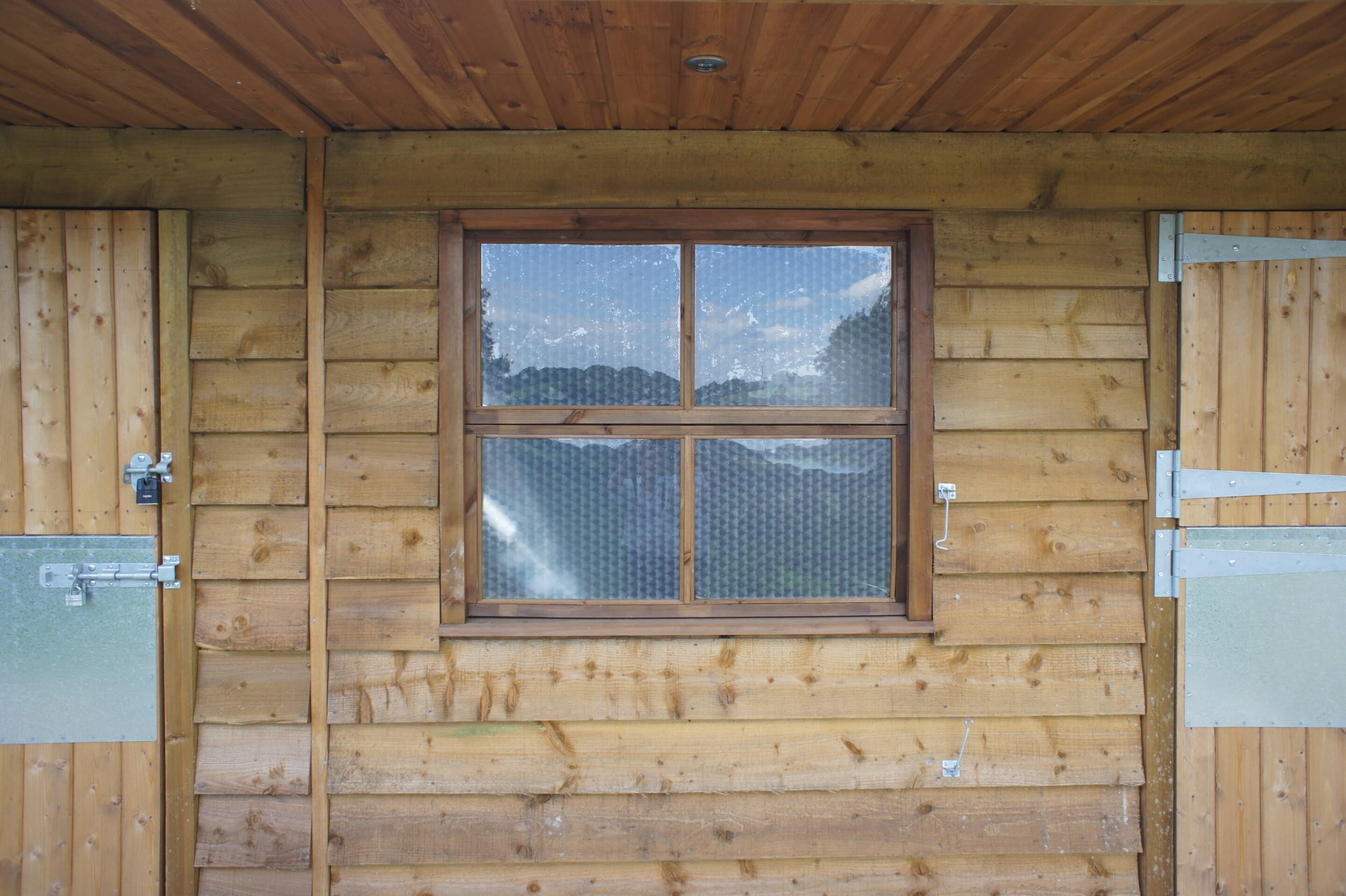
Stable windows play an essential role in ventilation by allowing fresh air to enter the building and stale, humid air to escape. When positioned correctly and opened daily, they help maintain healthy airflow throughout the stable, reducing dust, moisture, and odours for a cleaner, more comfortable environment.
If your stable windows are damaged, outdated or no longer allow proper airflow, replacing them can make a significant difference. We provide secure, robust windows and doors designed to maximise ventilation while keeping horses safe.
Explore Stable Extras
Choosing the Right Bedding
The type of bedding used can influence air quality. Hay used as bedding is one of the biggest sources of mould spores and dust in a stable. When it becomes wet with urine or manure, the smell increases, and the air quality decreases.
Rubber matting is a popular alternative because it reduces dust, is easy to clean and helps maintain a fresher environment. By choosing bedding that creates less airborne debris, you naturally support better horse stable ventilation.
Regular Mucking Out for Better Air Quality
Clean stables are healthier stables. Mucking out daily reduces ammonia fumes, dust build-up and mould growth. Removing manure and wet bedding helps keep moisture levels down, allowing fresh air to circulate properly.
Using Fans in Your Stable
While natural ventilation is often enough, some stables benefit from mechanical support. Ceiling fans or mounted units can help move stale air up and out through roof vents. When positioned safely above stalls, the best horse stall fans can significantly improve airflow for horses in areas where natural ventilation is limited.
Mechanical systems are particularly helpful in older buildings or enclosed areas that struggle with air movement, though they are not always essential. With the right design, many stables ventilate naturally all year round.
The Role of Porches and Overhangs
Porches extending along stable blocks do more than enhance appearance. They provide shade, cool incoming air and reduce direct sunlight entering the stable. This contributes to a more comfortable internal temperature and supports airflow.
Improve Your Stable Ventilation Today
There is nothing more important than ensuring your horse breathes clean, fresh air every day. Effective ventilation helps prevent respiratory illness, improves comfort and supports overall well-being.
If your stable needs better ventilation, or if you would like expert advice on upgrading your horse stable ventilation system, our team is here to help. We can assess your set-up, install new doors and windows, or suggest new stabling solutions.
We design, craft, and install top-quality equine buildings across the UK and Europe. Call us today or request your free brochure to get started.