What Makes Good Horse Fencing?
Horse fencing must be:
- Clearly visible to horses
- Strong enough to withstand pressure
- High enough to prevent jumping
- Secure at ground level to prevent crawling underneath
- Free from sharp edges, protruding nails, or hazardous wire
It should also be inspected regularly. Even high-quality fencing requires ongoing maintenance, especially after storms, heavy rain, or ground movement.
Discouraging horses from leaning over fences to graze is important. Leaning can loosen posts, weaken rails, and increase the risk of splinters or injury.
What Size Should a Horse Fence Be?
Fence height depends on the type and temperament of the horse. As a general guide:
- Horses: 1.2m to 1.5m high
- Ponies: 1.0m to 1.3m high
- Stallions: 1.5m to 2.0m high
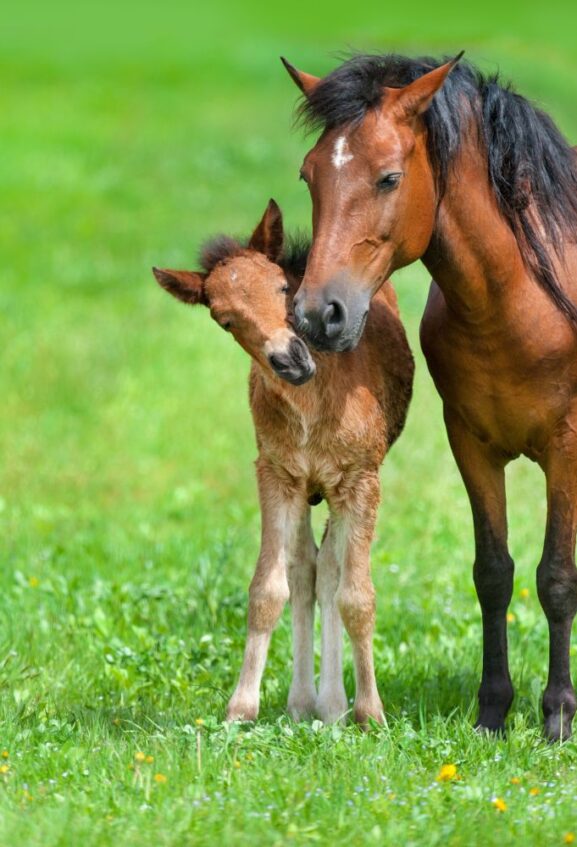
Lower rails should sit low enough to prevent foals or small ponies from rolling or pushing underneath. For mixed herds, always build to suit the largest or most athletic animal in the paddock.
If subdividing fields for rotational grazing, internal fences can sometimes be lighter in construction. However, they must still be secure and safe.
Fencing For Stallions And Breeding Stock
Stallions require particularly secure fencing, especially when neighbouring mares or other stallions. A double fence line is strongly recommended in these situations. This creates a physical buffer zone, reducing the risk of fighting, aggressive behaviour, or accidental coverings. In some cases, a carefully installed electric line along the top rail can help discourage challenging behaviour. Any electric fencing must be highly visible and correctly tensioned.
Boundary fencing between neighbouring properties should always be robust and professionally installed to prevent nuisance or liability issues.
Post And Rail Wooden Fencing
Post and rail fencing remains one of the most popular and safest choices for horse paddocks. It is highly visible, strong, and aesthetically suited to equestrian settings. Typically constructed with vertical timber posts and three horizontal rails, it provides a solid, physical barrier.
When installing post and rail fencing:
- Posts are usually spaced approximately 1.8m apart
- Three rails are standard for horse paddocks
- Galvanised fixings should always be used to prevent rust
- Posts should be securely set, ideally in concrete for stability
Setting posts in concrete provides greater long-term durability, particularly in dry or loose soil conditions. Timber fencing should be pressure-treated or treated with eco-friendly and animal-safe preservatives to maximise lifespan.
Electric Fencing
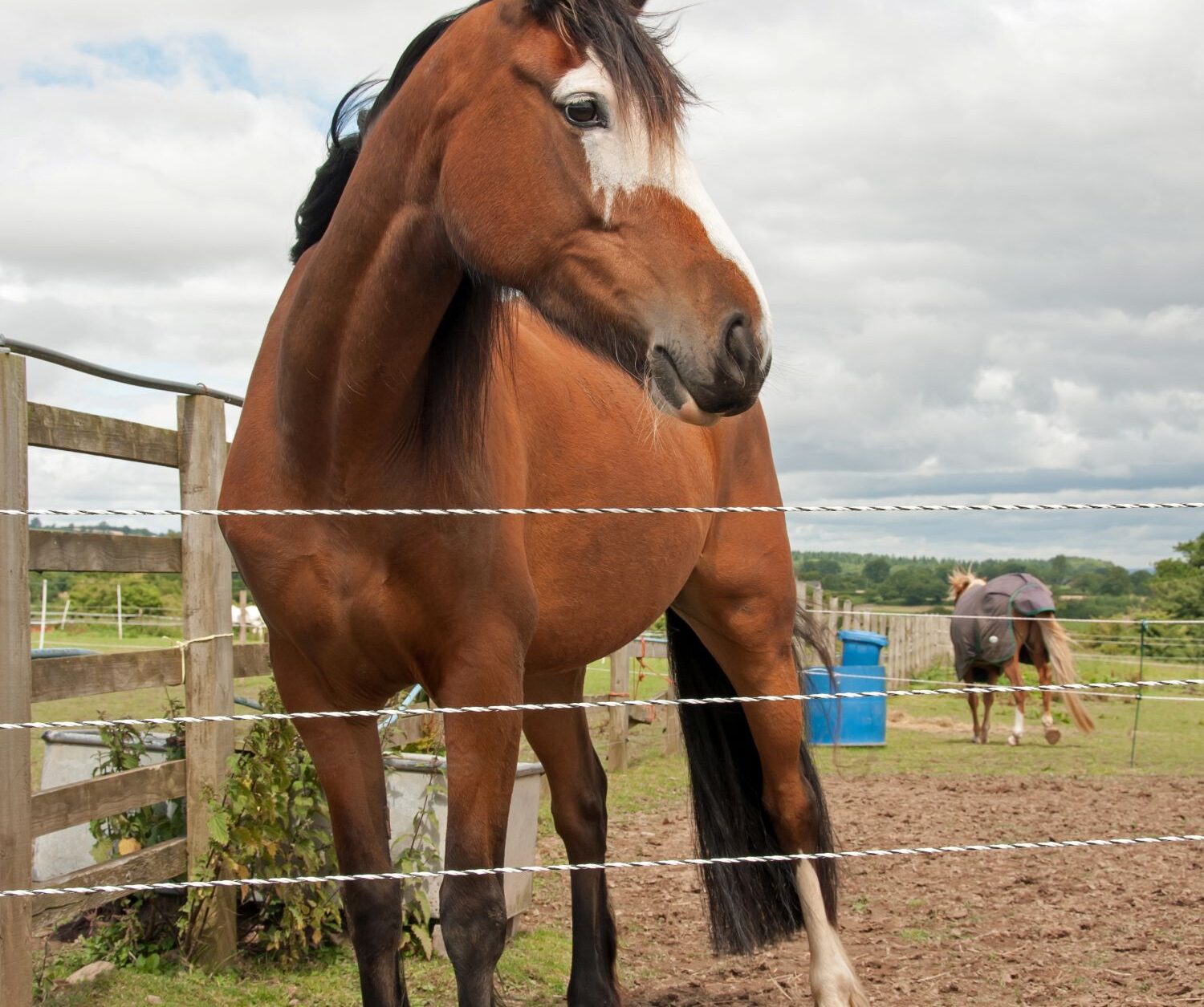
Electric fencing can be an effective tool for temporary paddocks, strip grazing, or reinforcing existing fencing. It is particularly useful for rotational grazing systems.
Modern electric tape is more visible than thin wire and therefore safer for horses. However, electric fencing should not be relied upon as the sole boundary for excitable horses or along road-facing perimeters.
Regular voltage checks are essential to ensure effectiveness.
Wire And Mesh Fencing
Plain wire, stock fencing, and mesh fencing are sometimes used, but must be selected carefully.
Barbed wire is not suitable for horses due to the high risk of severe injury. Even plain wire can cause cuts if a horse becomes entangled.
If mesh fencing is used, it should be small-gauge, tightly tensioned, and well-maintained. Adding a visible top rail improves safety and discourages leaning.
Planning For Rotational Grazing
Subdividing paddocks supports healthier pasture management, reduces worm burdens, and prevents overgrazing.
Temporary electric fencing or lighter internal fencing can be used to create smaller sections. This allows you to rotate horses between areas, giving grass time to recover and reducing the risk of “horse sick” fields.
Gates And Access Points
Gates should be wide enough to allow safe machinery access, typically at least 3.6m wide. They should open inwards and be hung securely. Metal gates are often preferred for durability and low maintenance. Adding mesh to the lower section helps prevent legs from becoming trapped. Gateway areas frequently become muddy due to traffic. Reinforcing these areas with hardcore, stone, or matting will help maintain footing and reduce poaching.
Shelter Placement Within Fenced Paddocks
Fencing works alongside field shelters to create a safe, functional paddock environment.
When positioning shelters, ensure fencing allows:
- Safe entry and exit
- Adequate space around the shelter
- Reduced mud build-up at the entrance
- Clear lines of sight to avoid trapping submissive horses
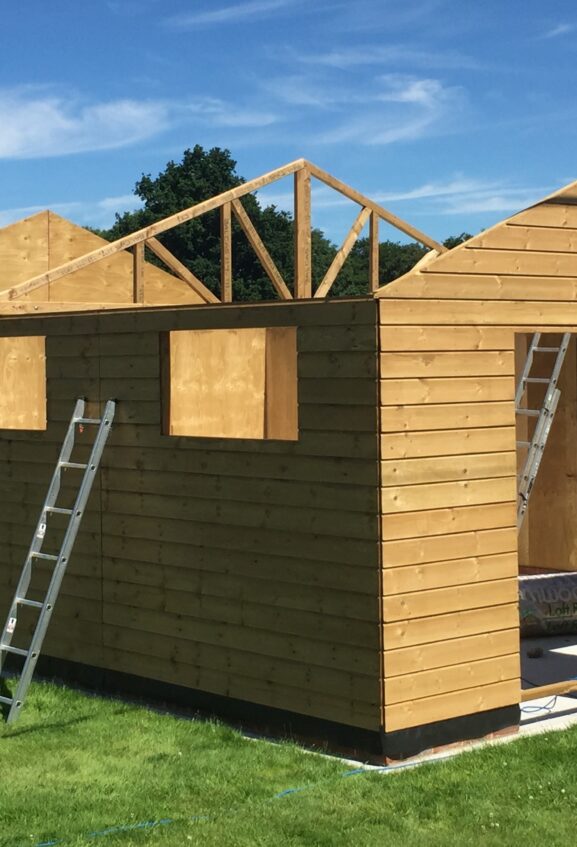
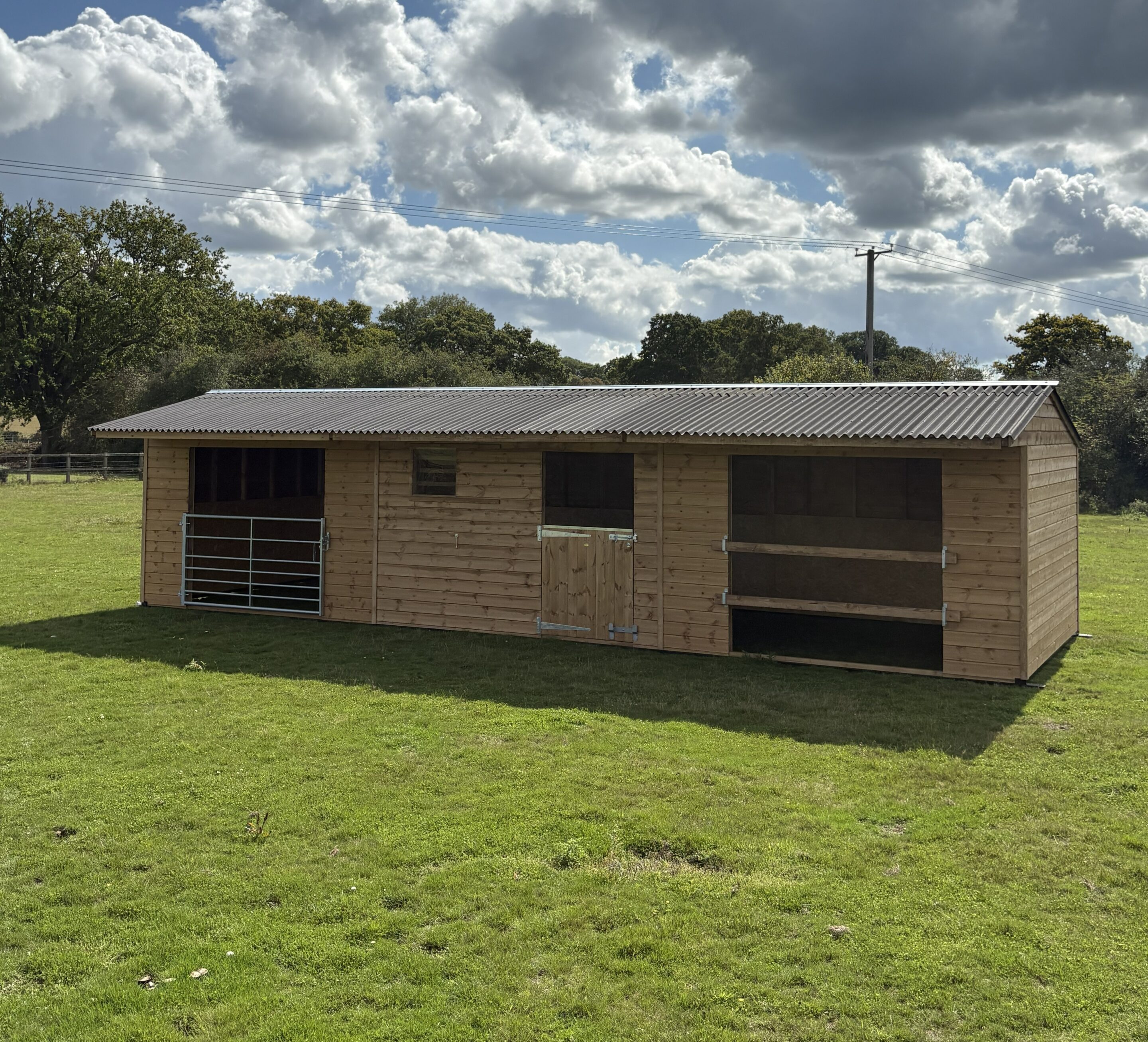
Mobile field shelters offer additional flexibility in fenced paddocks. Because they can be relocated, they reduce concentrated wear around one fixed area, support rotational grazing, and help prevent heavily poached ground near entrances.
As mobile field shelters are typically classed as movable equipment, they do not usually require planning permission. This makes them a practical option for many horse owners seeking flexible shelter solutions within subdivided paddocks.
Static field shelters, meanwhile, provide a permanent, robust solution where long-term placement is preferred.
Create Safe, Secure Paddocks With The Right Infrastructure
Well-designed fencing is the foundation of a safe equestrian setup. Combined with careful pasture management and high-quality field shelters, it creates a secure environment where horses can graze, rest, and move freely.
At Prime Stables, we design, craft, and install top-quality static and mobile field shelters to complement your paddock layout. Whether you are establishing new grazing areas or upgrading your existing infrastructure, our bespoke timber shelters are built for durability, safety, and long-term performance.
If you would like guidance on integrating field shelters into your paddock design, contact our experienced team today or request your free brochure. We are here to help you create a safe and sustainable environment for your horses.