Exactly how fast can a horse run? What are the top speeds of the fastest horses? Why do horses run so fast in the first place?
Below, we have answered these questions and more in an expert guide, so that you can stay fully informed on the speeds of horses and what you may need to do if you feel that your own horse is in need of some speed training.
How Fast Can a Horse Run When Domesticated?
On average, a domestic horse will normally achieve a running speed of around 30 miles per hour (mph). However, this doesn’t mean that this is their full speed, and it is perfectly possible for horses to be trained to build up their stamina to the point where they can achieve running speeds of 40 mph or more.
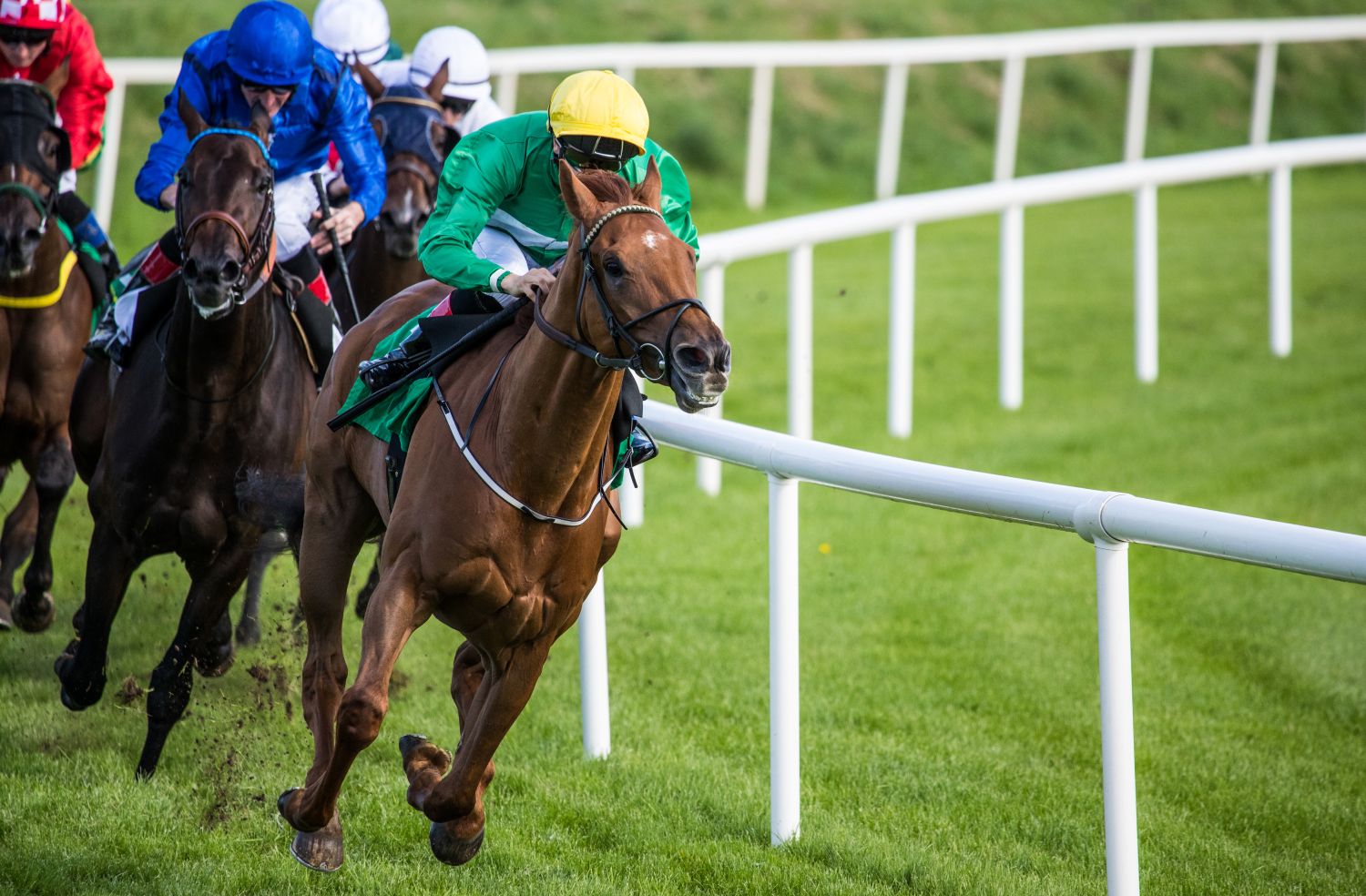
Depending on the work a horse carries out in their day-to-day, it is possible even for the 40 mph mark to be passed. Thoroughbred racehorses, for instance, will have been bred to a particular standard and be following a specific training programme to achieve speeds upwards of 50 mph.
How Fast Can a Horse Run with a Rider?
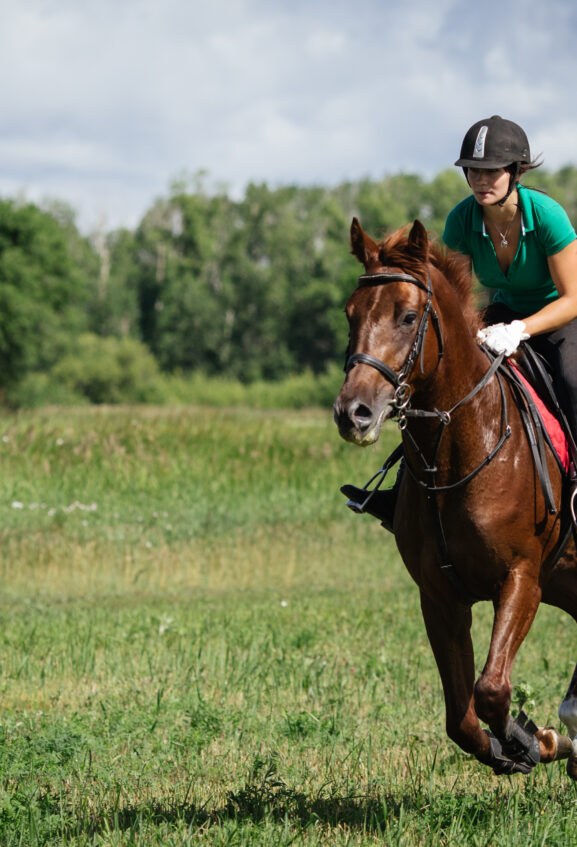
You may always expect a horse to be slower with a rider, no matter the top speed expected of a breed. Depending on the breed, the amount of work the horse would normally carry out during the course of a day, and the overall health of the animal itself, having a rider on its back may mean that a domestic horse not bred for racing could be slowed to anywhere between 20 miles and 30 miles per hour.
How Fast Can a Horse Run in the Wild?
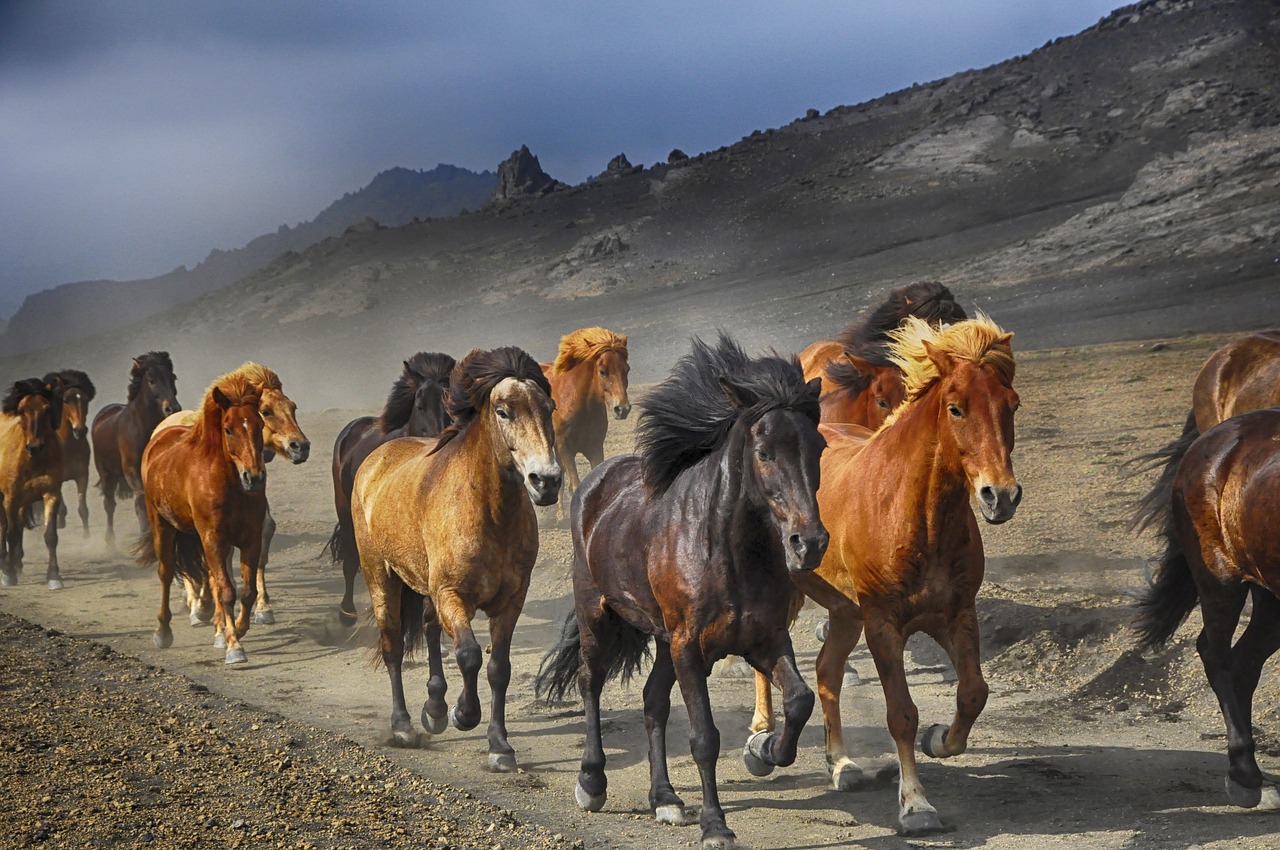
Records for the speed of wild horses are not as common as domestic breeds, and therefore the top speed recorded by a wild horse may not be the full speed any particular breed can achieve. As records currently stand, the top speed ever recorded by a wild horse was 54 mph and was set by a Mustang.
This is considered particularly impressive, given that it is only 1 mph slower than the top speeds recorded for the fastest domesticated horse breeds, the Thoroughbred and the Quarter Horse (55 mph). Both of these breeds are larger and more powerful than Mustangs, making them adept for speed and setting them apart as racehorses.
What Are the Fastest Domesticated Horse Breeds?
Quarter Horses and Thoroughbreds are both marked as the fastest domesticated horse breeds. However, they are also more suited to speed across different distance lengths.
You will most often find that Quarter Horses are more suited to racing short distances, as they are able to build to a speed of around 50-55 mph in this amount of time but lack the stamina required to go further. Meanwhile, Thoroughbreds are more suited to long distances and can maintain a higher speed in a longer race, but will generally only achieve a maximum speed of around 45 mph in shorter races.
According to horse racing records held in the Guinness Book of Records, the fastest race speed ever recorded was achieved by a Thoroughbred racehorse called Winning Brew. This was achieved at the Penn National Grant Race Course, in Grantville, Pennsylvania on May 14, 2008. She completed two furlongs in a time of just 20:57, with a speed of 43.97 mph out of the gate.
Speeds of a Horse
Most horses will have four movement speeds, or “gaits” as they are more commonly known. These are the walk, the trot, the canter, and the gallop (which might also be recorded as “flying speed” for particular breeds). The horse’s gait determines how many mph the animal is moving at.
The slowest of the gaits, the walk, will normally have a top speed of about 4 mph. The next fastest movement, the trot, should take most horses up to somewhere between 8 and 12 mph. By taking a horse up into a canter, you should find that your animal companion will be moving at a speed of somewhere between 12 and 15 mph, and when your horse breaks into a gallop they will be nearing or reaching their full speed.
Why do Horses Run Fast?
The simplest answer to this is because they are prey animals. A horse’s main evolutionary advantage over predators is the ability to run within an hour of their birth, which has kept them alive over the centuries, right up until the present day. This has also made speed a priority for wild breeds, and those who are fastest are more likely to survive and have foals of their own.
However, speed being a natural advantage is not the only reason horses are fast. Over the last few centuries in particular, we as a species have domesticated the animals for a range of work and leisure purposes. Speed is a defining trait for racehorse breeders especially, and professionals will be selective about the stock they breed from in order to breed foals with the best genetic makeup in the hopes of producing a new star for Royal Ascot and Cheltenham.
What Can Affect a Horse’s Speed?
Apart from whether or not a horse is carrying a rider, other factors that play a role in determining the speed of the horse include their frame, or conformation, and the stride angle. A horse with the right kind of muscle fibres (not necessarily longer legs) and a good stride angle are more likely to stretch out and recoil their frames more quickly, with a longer stretch and a faster recoil time resulting in a greater speed.
The average stride of a racehorse will be around 20 feet, with stride rate averages at around 130 to 140 strides per minute. It is not as easy to determine the angle of a stride, but it is known that the ninth winner of the American Triple Crown, Secretariat, had a stride angle of 110°.
You may also find that a horse with a good airflow through their respiratory system, a strong heart, a good frame, and an excellent muscle tone will all perform at greater speeds than horses that lack these things.
Of course, other and more individualised traits will also have a large part in determining how fast a horse can run. For example, you may find that a horse is fully physically capable of running at a maximum speed of 45 mph or more, but he or she simply doesn’t wish to. On the other hand, you might find a completely different horse that absolutely loves running and will happily spend his day rushing about all over his paddock!
Helping Your Horse Train in Speed
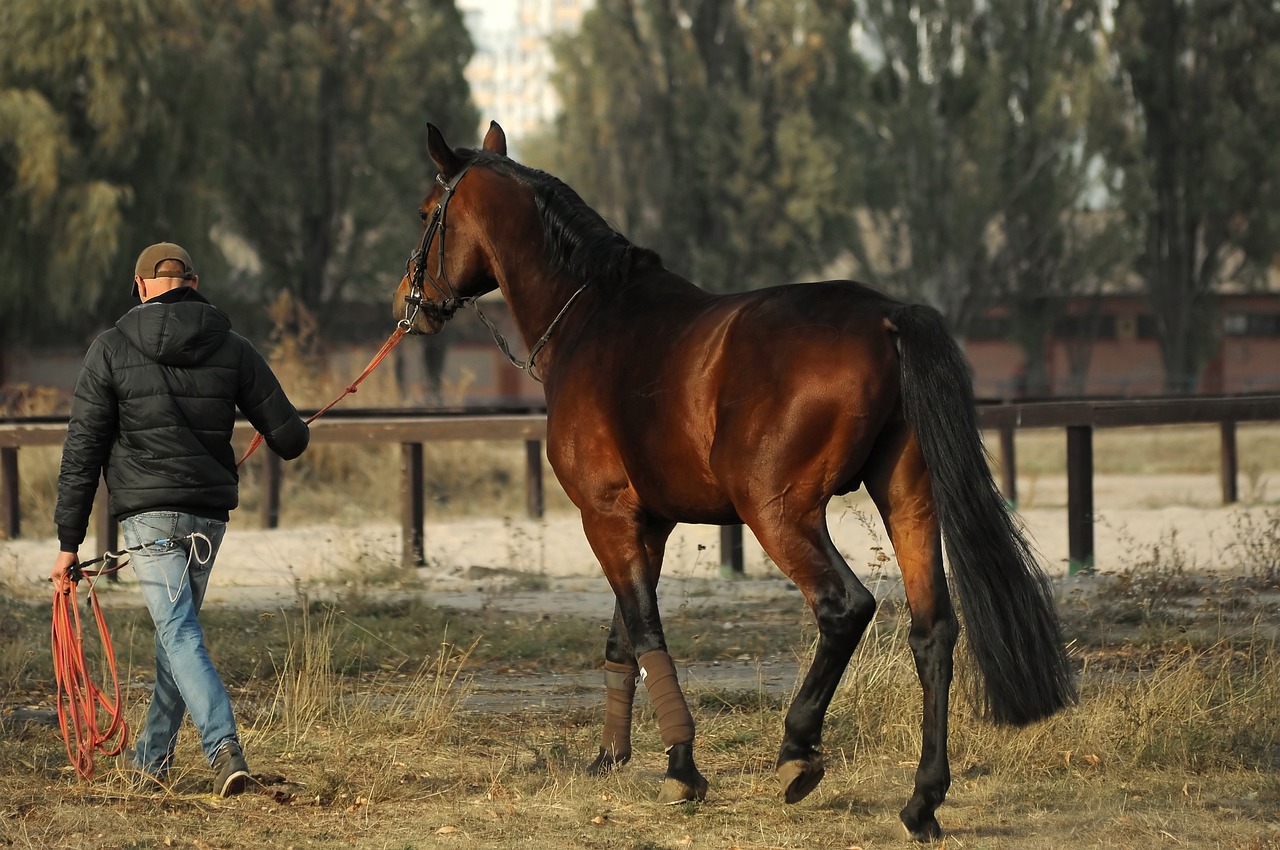
If you would like to train your own animal companion to improve speed, there are many professionally recommended exercise programmes that you can use to build their stamina and enhance their performance.
For instance, one particular routine from champion trainer Aidan O’Brien suggests a balanced, eight-week routine that allows for an equal amount of time spent warming up, trotting, loping, long trotting, and cooling down at the end of the practice. These courses would then be altered slightly every few days to include a sprint that helps to develop your horse’s muscles. This particular routine also states that if the horse is to complete this training with a rider, the rider should maintain their own physical condition to keep the horse comfortable. Over time, there should then be a noticeable change in the animal’s muscle tone, and they should be able to complete faster runs and travel longer distances.
The training programme you decide to use will always be up to you, but we would always suggest starting slow and building up gradually over time so that your horse isn’t overwhelmed by the training. This should also decrease the risk of injury and allow your horse the chance to improve while staying as happy and healthy as we know you want them to be.
When you have questions about the training you are carrying out with your horse, especially if the programme does not appear to be working, the best course of action will always be to call a professional trainer. They should be able to offer you a consultation and may be able to put you onto a more effective training programme than the one you are currently using.
The Health of Your Horse in Training
Any high-quality training programme should put the health and wellbeing of your animal above all else. Many trainers will suggest that you rest your horse if you notice signs that they are lethargic or may have been injured during the day’s session, no matter how slight the signs may be. If you know your horse’s moods, this may also give you a better indication that something might be amiss and needs looking at more carefully.
If you are ever in doubt, or concerned about your horse after training, please don’t hesitate to speak to your vet. They will be able to offer you the best advice and information about your own particular horse.
Providing Your Horse with Care and Attention
Naturally, the horses that are most suitable for training and building speed and stamina are the ones that receive the best care. By getting in touch with us here at Prime Stables, you will find everything you need to house, store feed for, and care for your animal companion to the best of your ability as a loving owner, whether you intend to train them as a racehorse, or even if you simply wish to go on long, leisurely country rides and don’t want to tire them out.
You are always welcome to ask us any questions you may have about caring for your horse just call 01403 823836 or send us a query through our handy online form. We will do everything we can to provide the answers you need, as well as the supplies and the structures that will keep your beloved animal as happy, healthy, and going as fast as you want or need them to be.