Why Do Horses Sweat?
Horses cannot regulate their body temperatures in the same way we do as humans, instead the only way they can cool themselves is by sweating. And the harder your horse works, the more they sweat. It is the evaporation of the sweat your horse produces that cools your horse down, not its presence on the skin. But, why and how do horses sweat?
If your horse produces more heat in their body than they can get rid of through breathing, their core temperature begins to rise and signals are sent to their sweat glands to be distributed onto the skin. As the sweat then evaporates, it takes heat away from the skin, helping to reduce your horse’s body temperature.
Horse Sweating in Stall and How to Regulate It
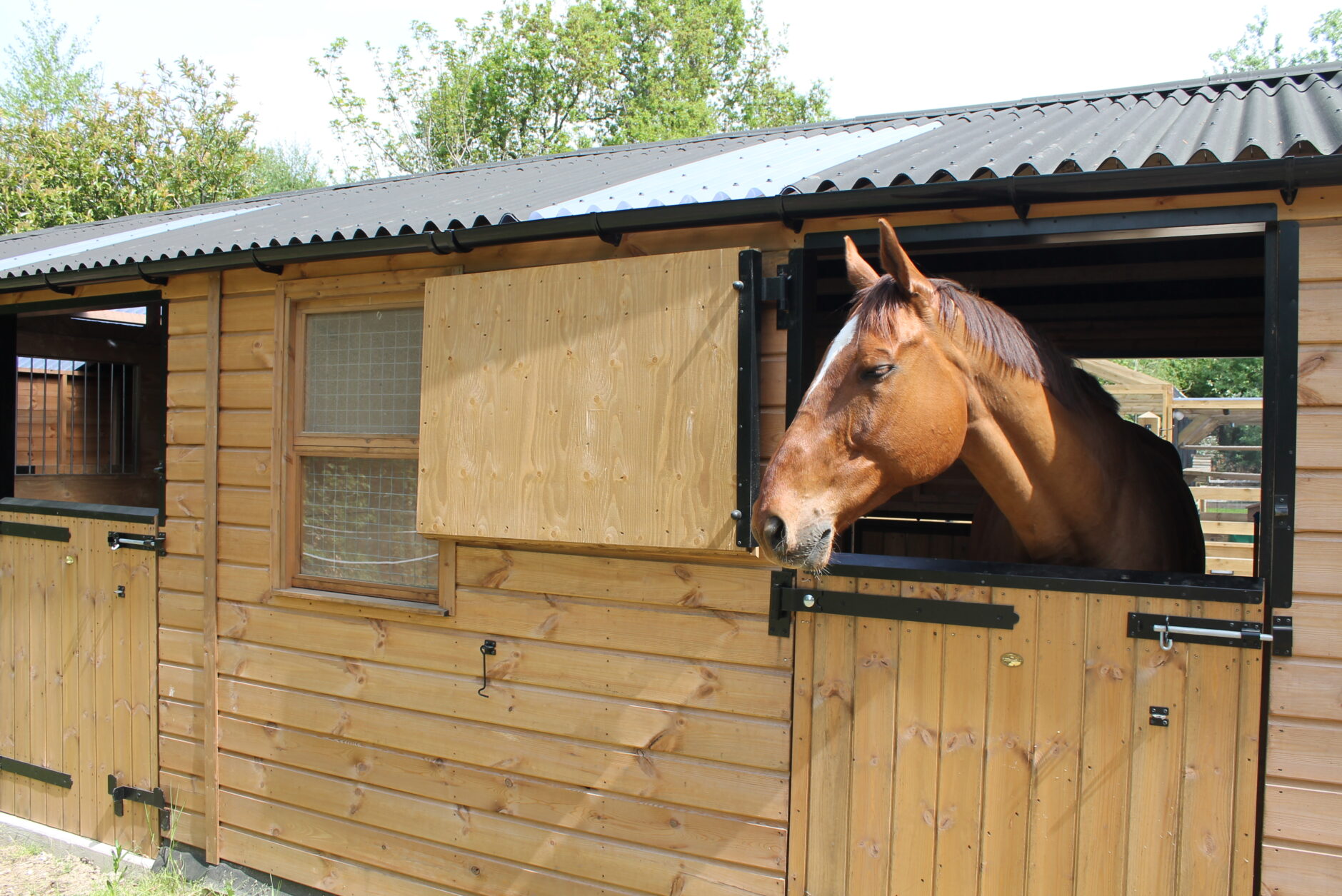
Horses sweat whenever they are overheated and it can happen just as much outside in the field as it does inside the stable. A horse sweating in their stall is not uncommon but is can be a sign of a poorly built stable. Horse sweating in the stall can be due to a number of factors, including: poor stable ventilation, humid air in the stall, badly regulated heating, and hot weather.
If you discover your horse is sweating a lot when they are stalled, it’s important you make a few changes so that you can effectively manage the problem. The main way to reduce horse sweating in the stable is to ensure your stable is professionally-built and well-ventilated to allow for a cool circulation of air around your horse. You can also keep humid air to a minimum through proper cleaning management of the stall and proper ventilation. While horse sweating in stalls is not uncommon, there are steps you can take to regulate it so that your horse does not become unwell.
Sweating Caused by Dehydration
When horses sweat, they can lose a lot of important electrolytes that are integral for their health and hydration. Excessive sweating caused by dehydration is one of the greatest risks to your horse. When humans sweat, they lose mainly water and the water loss causes low numbers of electrolytes and thirst as a result. However, horses have a higher number of electrolytes in their bodies, so when they sweat they are slower to feel thirsty and can easily become dehydrated.
If you’re experiencing a hot day or you’re putting your horse through a strenuous exercise regime, ensure your horse stays hydrated and gets the replenishment they need to avoid dehydration. Add electrolytes to your horse’s water to help them stay hydrated.
How Physical Fitness Affects Horse Sweating
There are a number of reasons why your horse sweats and physical condition is one of these. The physical fitness of your horse can cause sweating to different degrees and can be one of the ways you help regulate the amount your horse sweats. Unfit horses may sweat more easily and earlier into the workout than horses in better physical condition.
If your horse sweats a lot, you can help reduce this by improving their fitness levels. As your horse becomes more physically fit through regular exercise routines, regulating your horse’s body temperature can be done through regular exercise and improving your horse’s physical fitness levels.
If Your Horse Cannot Regulate Their Body Temperature
It may be that your horse is unable to regulate their body temperature. This could be for many reasons, including humidity in the air, fatigue, and more. Inability to regulate body temperature will cause your horse to overheat, faint, and suffer heat stroke.
If your horse is sweating profusely but is not replenishing their supply of water, they’re at significant risk of dehydration and may start experiencing problems with their circulation, digestion, and even damage to their organs. In extreme cases of sweating, dehydration can be fatal.
Some Horse Can’t Sweat
For some horses, sweating is not possible. This condition is called Anhidrosis and can affect any horse, however is more common among horses in hotter climates.
While excessive sweating can be dangerous for horses, as we’ve been discussing, a horse that does not sweat can be in even greater danger because they have no effective way of cooling themselves down.
When horses that can’t sweat get hot, their body temperatures stay high and can reach dangerous levels, putting them at risk of heat stroke. If your horse is diagnosed with Anhidrosis, you must do everything you can to limit heat build-up in their body so that they do not become dehydrated or overheated. Some of the ways you can do this are as follows:
- Hose or sponge them with cold water to keep them cool.
- Keep them well-hydrated
- Exercise them during the cooler times of day
- Give them extra doses of electrolytes
- Make sure they have shade when they’re turned out during the day
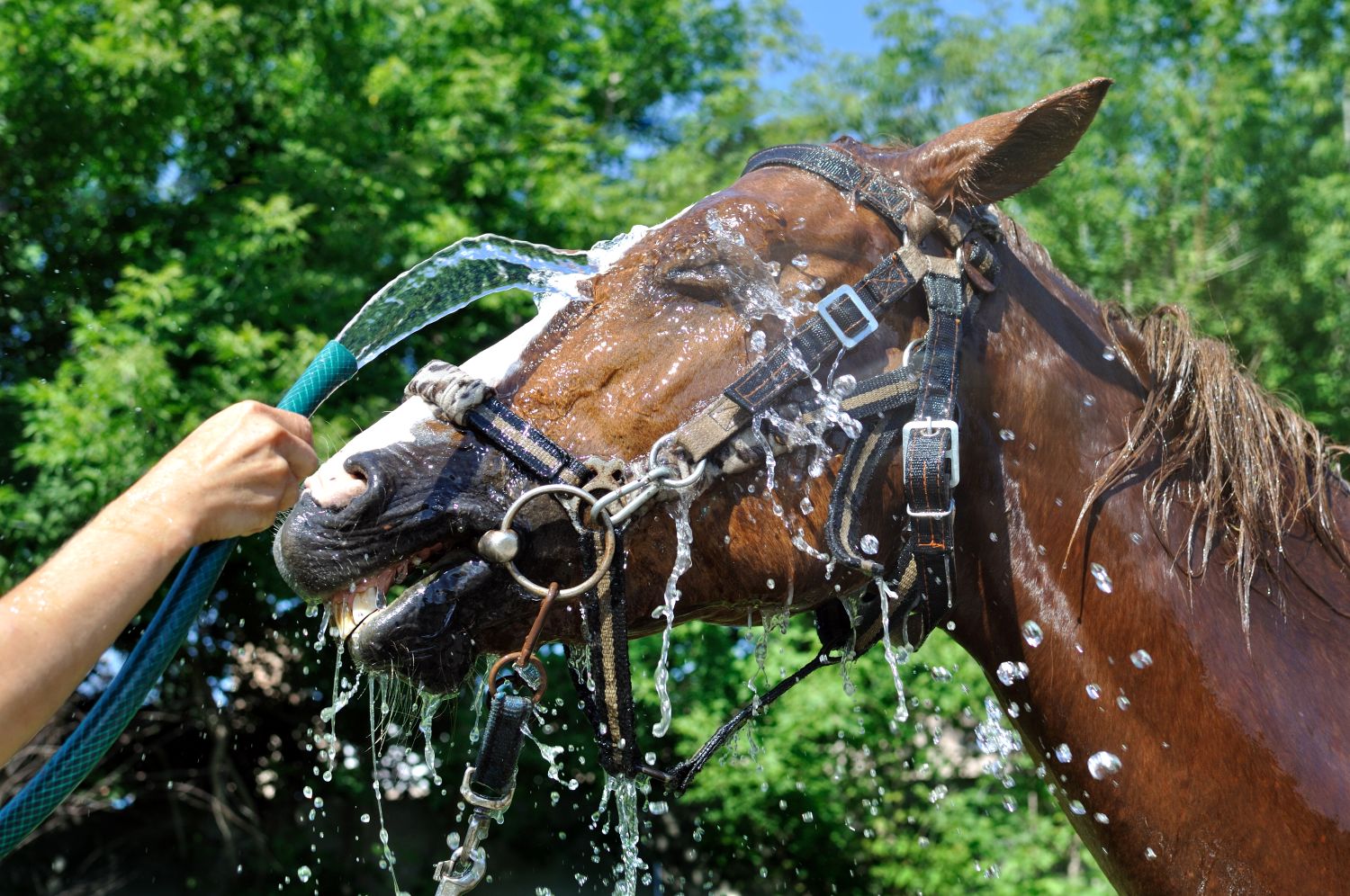
Excessive sweating in a horse is a sign of dehydration and this can be fatal to your horse, so it’s important you know how to spot the warning signs:
Your Horse Is Breathing Hard
Rapid, shallow breathing is particularly common in horses after they’ve exercised in hot weather, but this should regulate itself and return to normal after a short period of rest. If your horse’s breathing rate remains high, they may be panting to try and cool themselves down alongside excessive sweating. Let them rest in a shaded, cool area and provide them with plenty of water to rehydrate.
Your Horse Has A High Temperature
Having a high temperature after exercising is normal for a horse, but if your horse’s temperature does not drop a degree or two within 20 to 30 minutes of resting, you should be concerned.
Your Horse Seems Exhausted And Depressed
When a horse is dehydrated and sweating profusely, they can become lethargic, turn down food, and generally exhausted. If you notice these warning signs, it is essential to rehydrate your horse with electrolyte water as much as you can.
Your Horse’s Skin Has A Lack Of Resilience
A lack of resilience in your horse’s skin is a common sign of dehydration and a great way to test whether your horse’s fluids are low. All you have to do is pinch a fold of skin in three places along your horse’s body; high on their shoulder, mid-neck, and low on their shoulder. If your horse is properly hydrated, their skin will snap promptly back into position. If it does not, they need re-hydrating.
They Have A Quiet Gut
When you listen to a horse’s gut, a sign of good health is when you hear lots of bubbles and gurgles. This is caused by the amount of water held in your horse’s large intestines that they draw on as a reserve. However, when your horse’s gut is quiet, they are beginning to dehydrate and their gut motility is slowing as a result. Re-hydrate your horse as soon as you notice their quiet gut to help prevent any digestive problems.
When You Should Call Your Vet
Knowing when to call your veterinarian can be difficult, especially when it comes to horse sweating. The severity of the situation depends significantly on your horse, their general attitude, and whether any of the warning signs have raised the alert. If your horse seems dull or disorientated, is turning down both food and water and hasn’t cooled down despite your efforts, it is best to call your vet. Your veterinarian can check over your horse, assess their condition, and if needed administer extra fluids via a stomach tube and provide any additional support if necessary.
Provide Your Horse With Safe, Well-Ventilated Stables
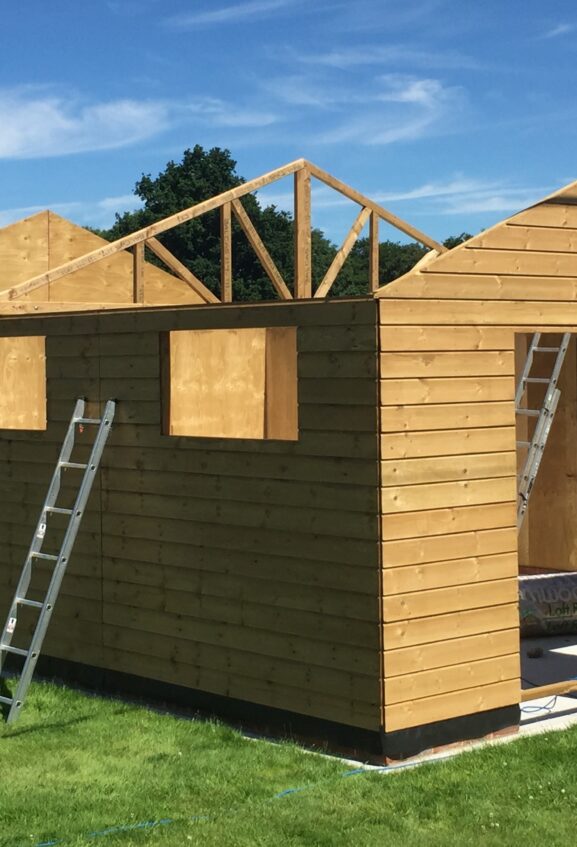
If your horse is sweating in their stall, it could be a sign that their environment isn’t quite right. At Prime Stables, we design and build bespoke stabling solutions that prioritise safety, comfort, and proper ventilation. Give your horse the restful, healthy space they deserve. Speak to our expert team today.