Which Areas Are Most Prone to Sun Damage?
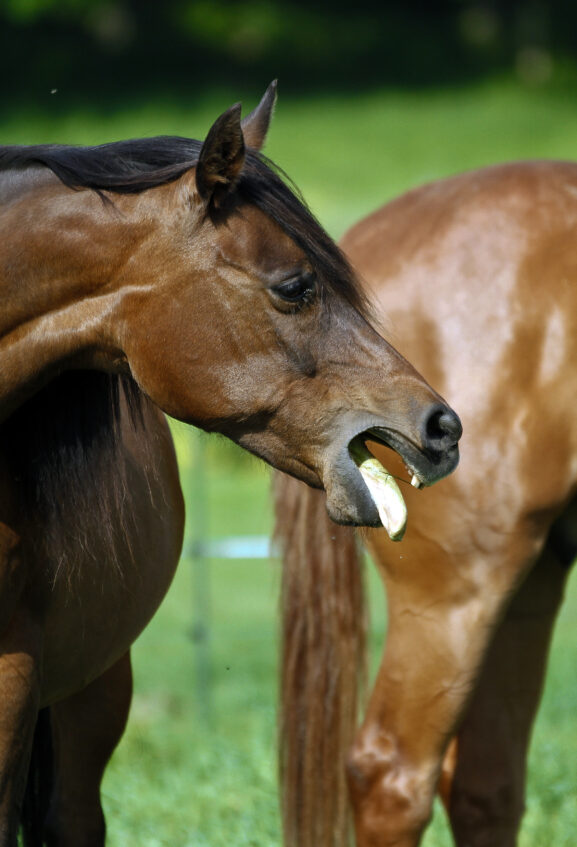
Although a horse’s entire body is exposed to the sun, certain areas are more vulnerable to burning, particularly those with little or no hair. The most commonly affected spots include:
- The face, especially around the muzzle and eyes
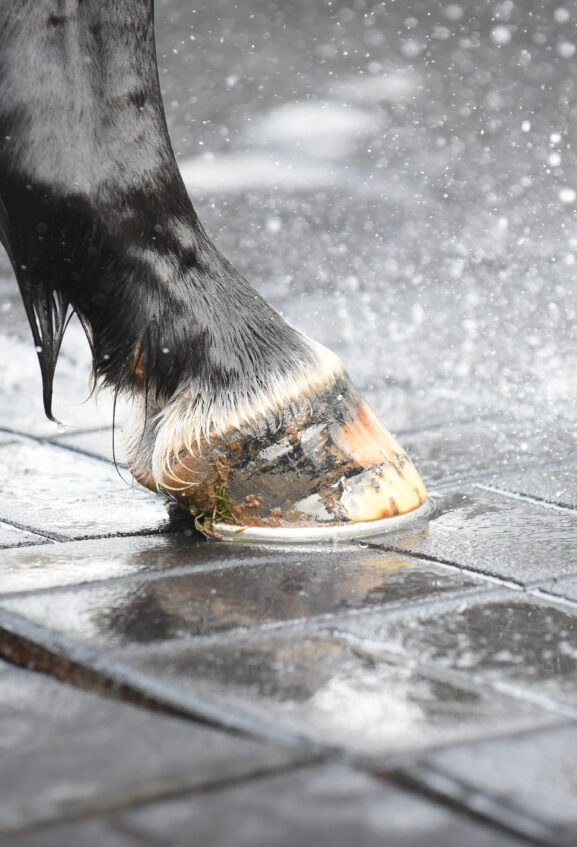
- The heels and lower legs
These areas tend to have pink skin or sparse hair, making them more sensitive to UV damage.
What Harm Can Sunburn Cause?
Mild sunburn may cause temporary discomfort, redness, and peeling. However, repeated exposure and long-term damage can lead to more serious conditions, including:
- Thickened, scaly skin
- Persistent irritation or infection
- In severe cases, the development of skin cancer
Taking proactive steps to protect your horse can help you avoid these health risks altogether.
How To prevent Sunburn in Horses
Provide Proper Shade with a Field Shelter
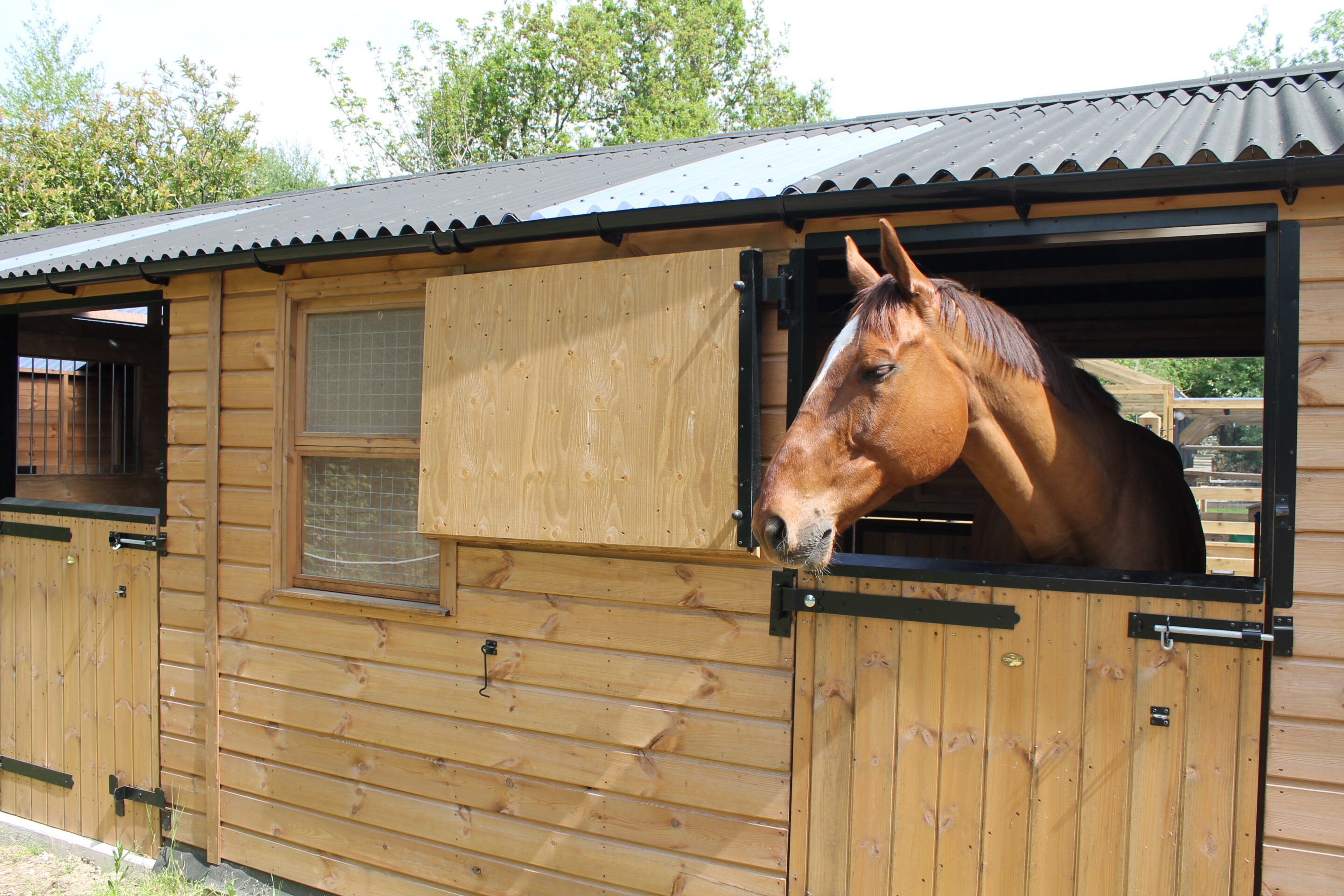
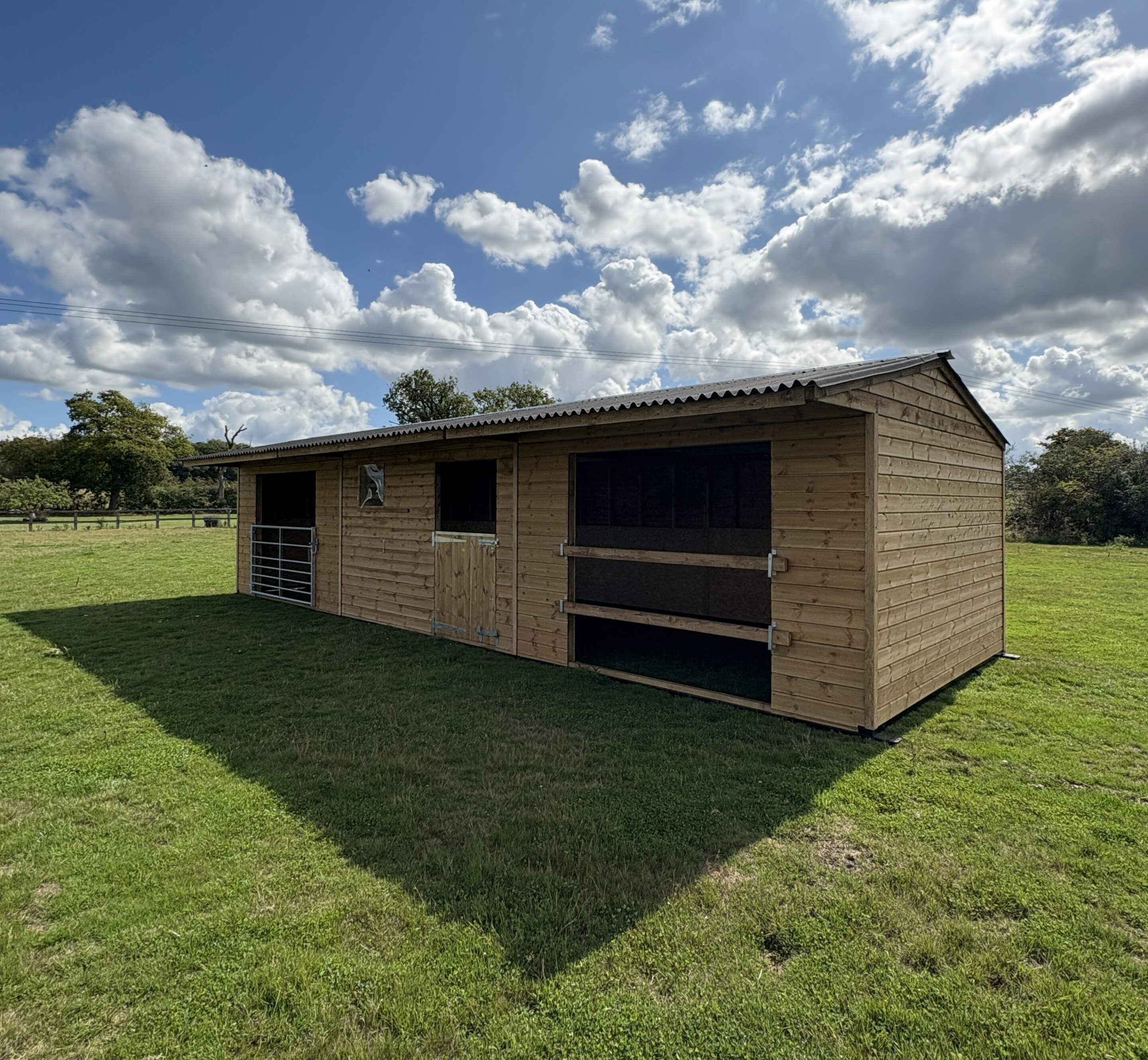
One of the most effective ways to prevent sunburn is by giving your horse access to reliable shade during the hottest parts of the day. While natural shade from trees and hedgerows is helpful, purpose-built field shelters offer more dependable protection.
Whether fixed or mobile, field shelters provide:
- A cool, shaded area to rest
- Protection from direct sun, rain, and wind
- A safe retreat during extreme weather
Unlike trees, field shelters won’t shift or lose their shade coverage throughout the day. By offering consistent shelter, they encourage your horse to take breaks from the sun, reducing the risk of overheating or sunburn.
Use Equine Sun Lotion
Just like humans, horses can benefit from sun lotion. Specially formulated equine sunscreens can be applied to sensitive areas to help prevent burns. Coloured sticks make application easier and highlight missed spots.
Apply a Fly Mask
Fly masks do more than protect against insects, they also shield the face and muzzle from the sun. Many designs come with extended nose covers to protect one of the most vulnerable areas for sunburn.
Use a Lightweight Blanket
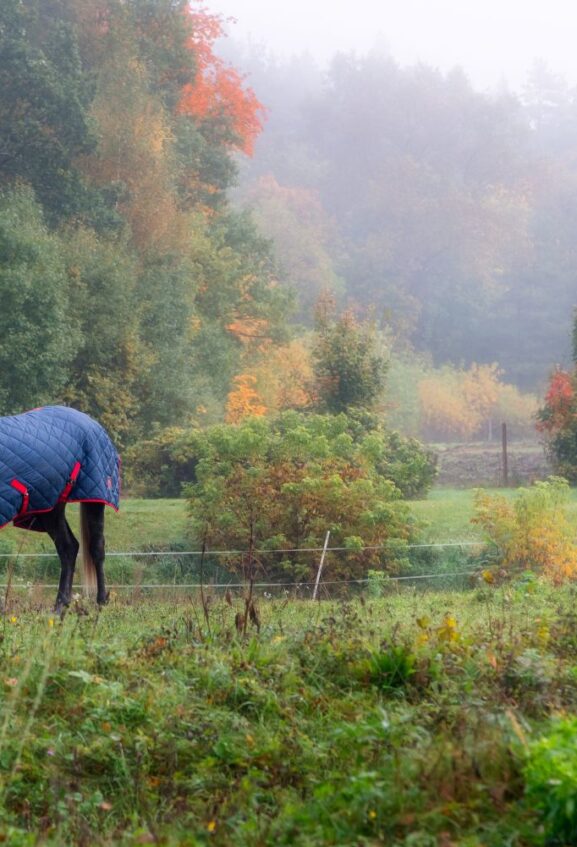
Breathable summer sheets can help protect the horse’s back and sides from sun exposure. Make sure any blanket used is designed for hot weather to avoid overheating.
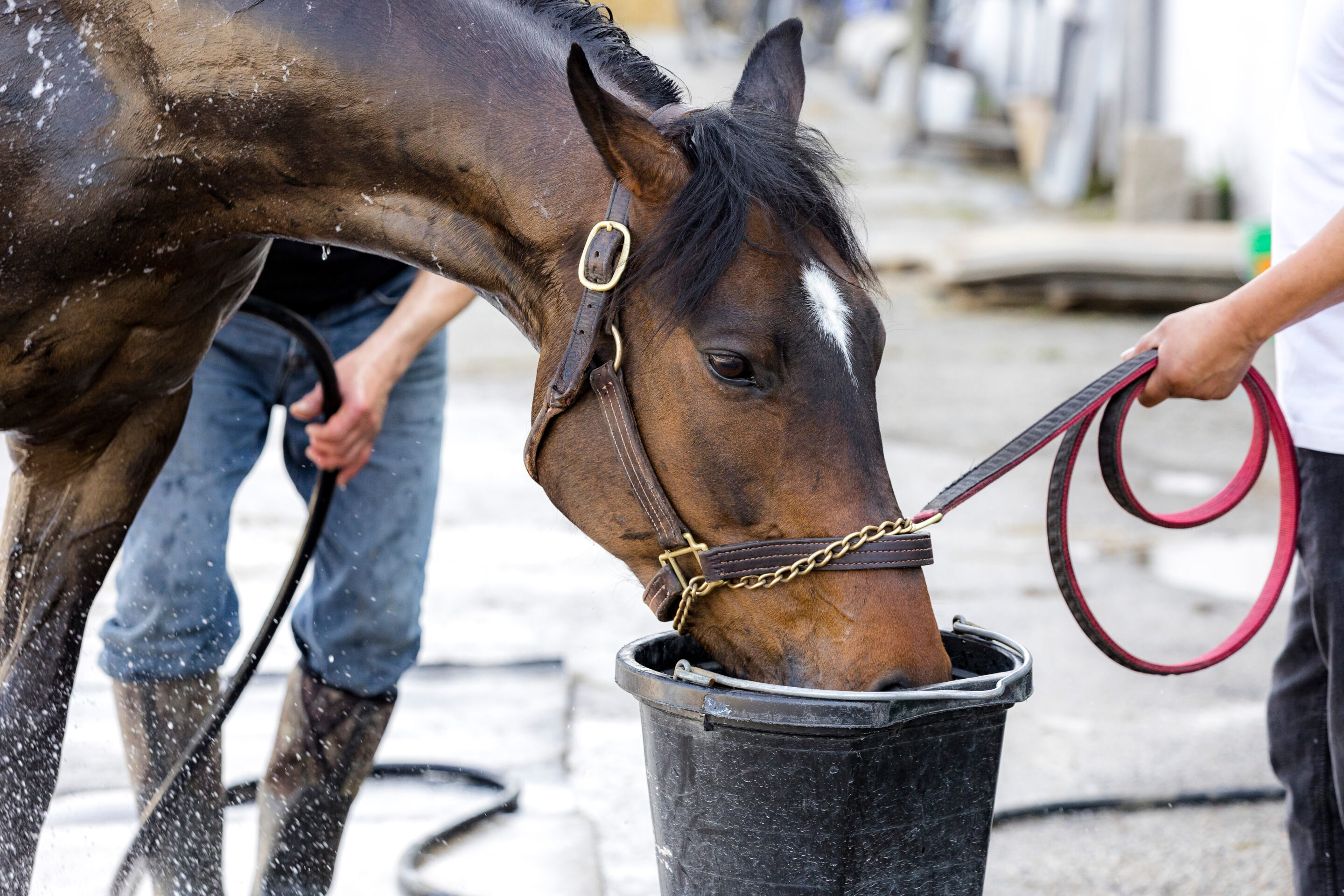
Provide Constant Access to Fresh Water
Hot weather increases the risk of dehydration, especially if your horse is recovering from sunburn. Make sure clean, fresh water is always available to help regulate their body temperature and keep them hydrated.
Is Your Horse Already Sunburnt?
If your horse is already showing signs of sunburn, treat them with gentle, soothing products such as:
- Aloe vera gel
- Antiseptic creams like Sudocrem, Germolene, or Savlon
As with people, prevention is far better than cure, so take steps now to protect your horse from future sun damage.
Protect Your Horse All Year Round with Prime Stables
At Prime Stables, we design and build bespoke field shelters, both static and mobile, that provide reliable protection from the weather, all year round. From beating the summer heat to sheltering from winter winds, our high-quality timber shelters are built to keep your horse safe and comfortable in any season.
Speak to our friendly team today to find out how we can create the perfect field shelter for your horse and your land.