Assessing And Preparing The Land
Before introducing horses to a new field, assess the ground carefully. Look at drainage, soil type, slope, access points, and existing vegetation. Horses are heavy animals, and poorly prepared land quickly becomes compacted, muddy, and damaged.
Start by ensuring:
- The ground is well-draining and not prone to waterlogging
- The surface is level and free from debris, holes, or sharp objects
- Any damaged or compacted areas are rolled and reseeded if necessary
If possible, plan separate summer and winter paddocks. This allows pasture to rest and recover, reducing the risk of overgrazing.
Safe And Secure Fencing
Strong fencing is essential for safety and security. Hedging alone is rarely sufficient to contain horses.
Timber post and rail fencing remains a popular choice due to its strength, visibility, and natural appearance. Alternatives include electric fencing, tape systems, mesh, and composite materials. The right option depends on how permanent your setup is intended to be and how many horses you are keeping.
Fencing should be:
- Highly visible to prevent collisions
- Free from sharp edges or protruding fixings
- Installed securely with correct post depth
Regular inspection is vital, especially after storms or high winds. For more information, read our guide to horse and paddock fencing requirements.
Gates And Access Points
Well-positioned gateways make daily management far easier. Gates should be wide enough to accommodate machinery, such as tractors or rollers, and should open inwards for safety.
Metal gates are often preferred because they are durable and low-maintenance. Adding mesh to the lower section prevents legs from becoming trapped. Gateway areas benefit from reinforcement with hardcore or rubber matting to reduce mud build-up during wet seasons.
The Importance Of Field Shelters
Horses need protection from wind, driving rain, intense sun, and insects when out in the field. A well-designed field shelter allows horses to regulate their body temperature, escape extreme weather, and rest comfortably. Shelter also supports mental wellbeing by providing a secure, dry space within the paddock.
Static Field Shelters
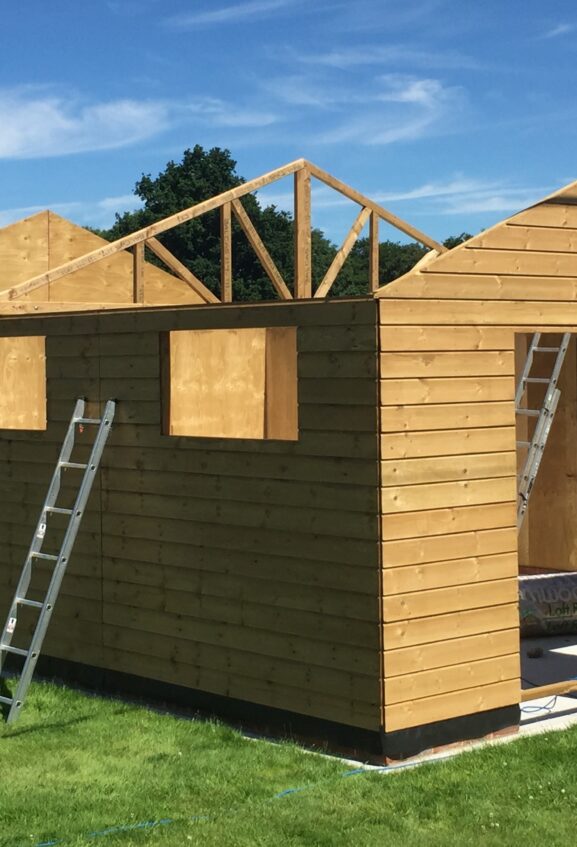
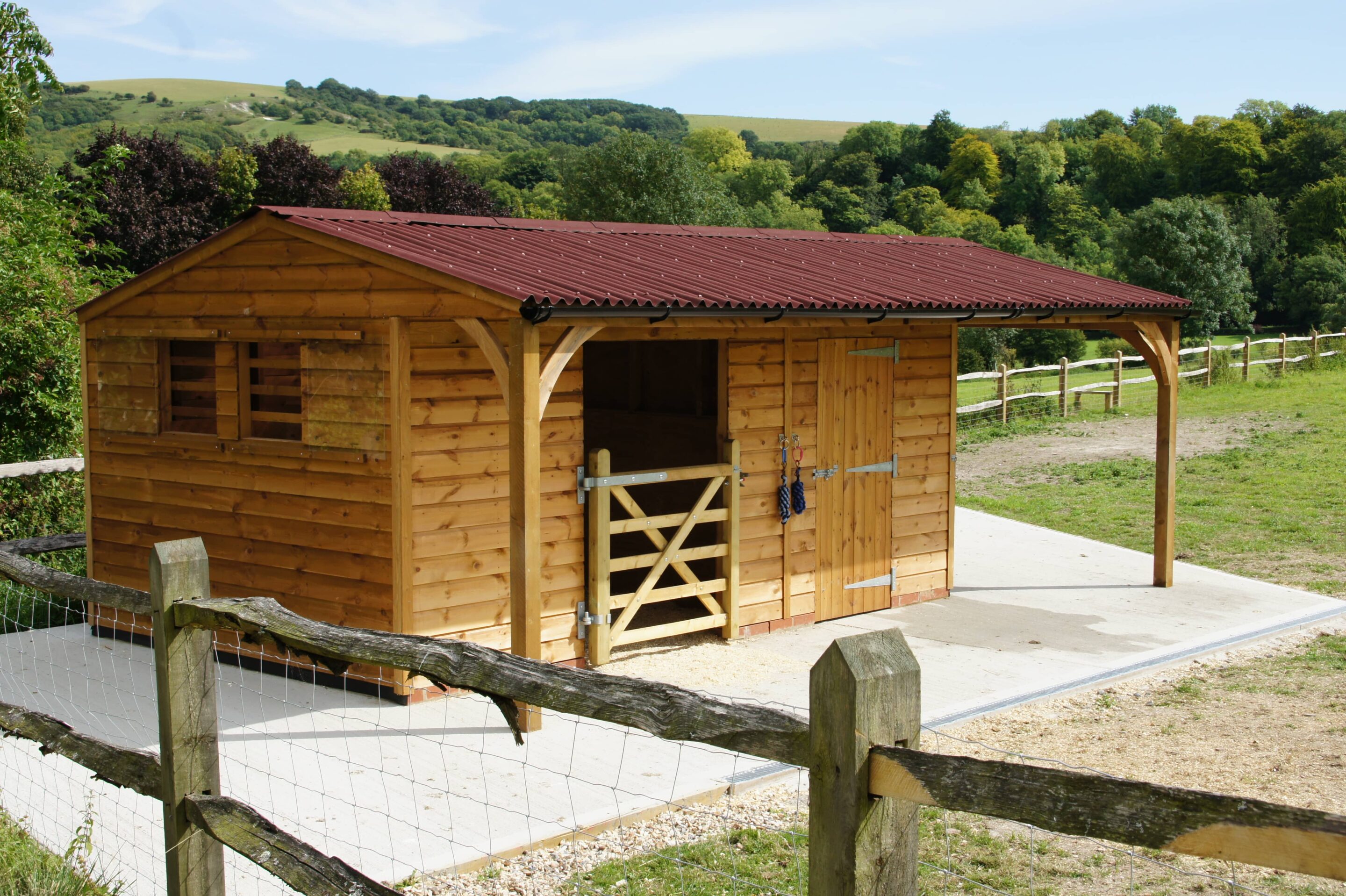
Static field shelters are permanent structures positioned in a carefully selected area of the field. When placed on well-drained ground and correctly orientated away from prevailing winds, they offer robust, year-round protection.
Benefits of static shelters include:
- Durable, long-term solution
- Excellent wind and weather protection
- Customisable sizes and layouts
- Opportunity to add tack rooms or storage areas
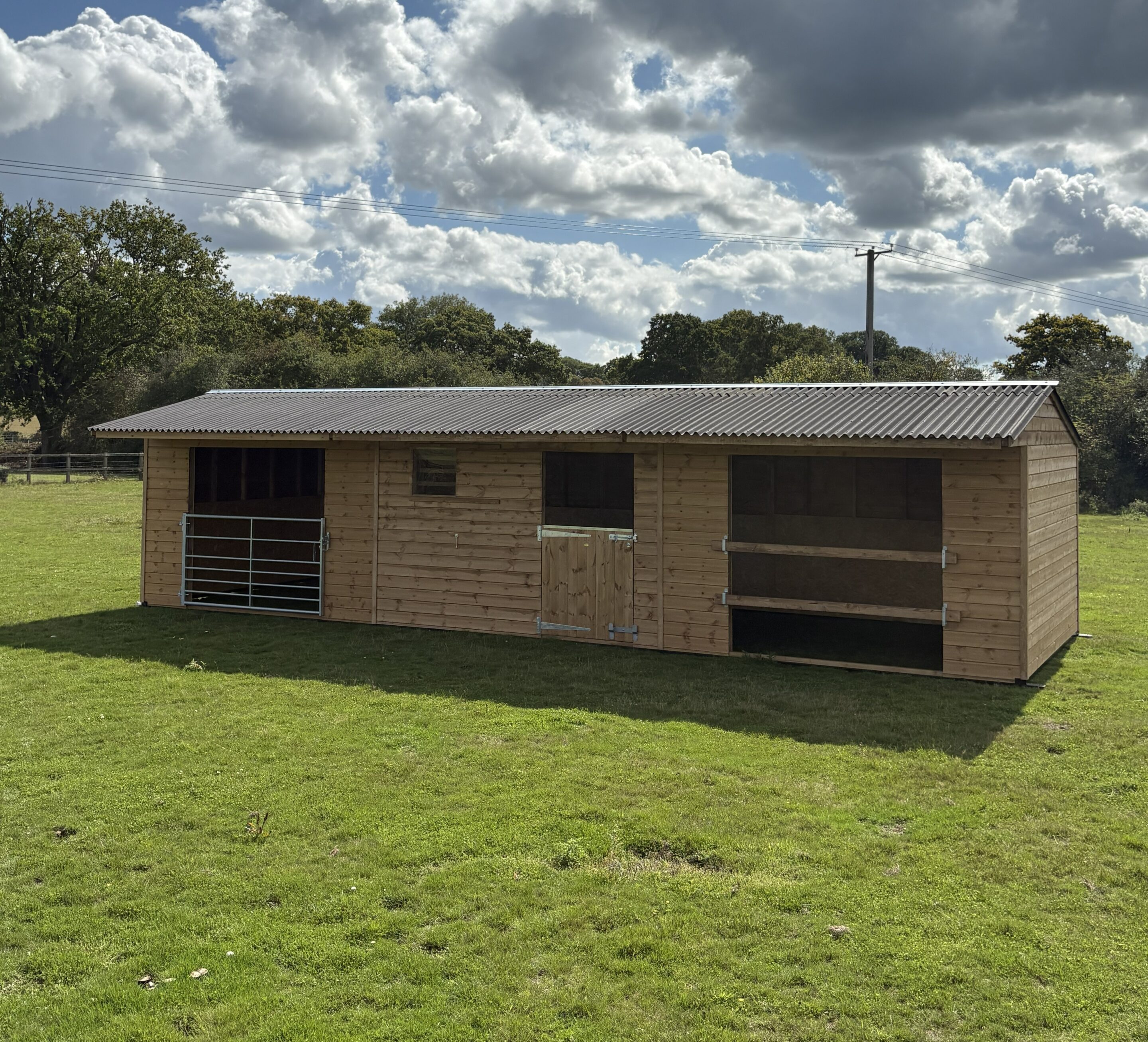
Mobile Field Shelters
Mobile field shelters offer flexibility and are particularly valuable for rotational grazing systems.
Because they are built on a towing frame, they can be repositioned between paddocks. This reduces concentrated wear in one area, helps prevent poaching, and supports pasture recovery. Moving the shelter regularly also limits mud build-up and reduces parasite hotspots.
One of the major advantages is that mobile field shelters are generally classified as movable equipment, meaning they do not usually require planning permission. This makes them a practical solution for many horse owners.
Mobile shelters are especially beneficial for:
- Rotational grazing systems
- Preventing horse sick fields
- Flexible paddock layouts
- Seasonal field adjustments
- Customisable to add a tack room or hay barn
When positioned correctly, both static and mobile shelters should sit on well-drained ground and avoid low-lying areas. Proper siting reduces mud, maintains hoof health, and extends the lifespan of the structure.
Pasture Management And Grazing
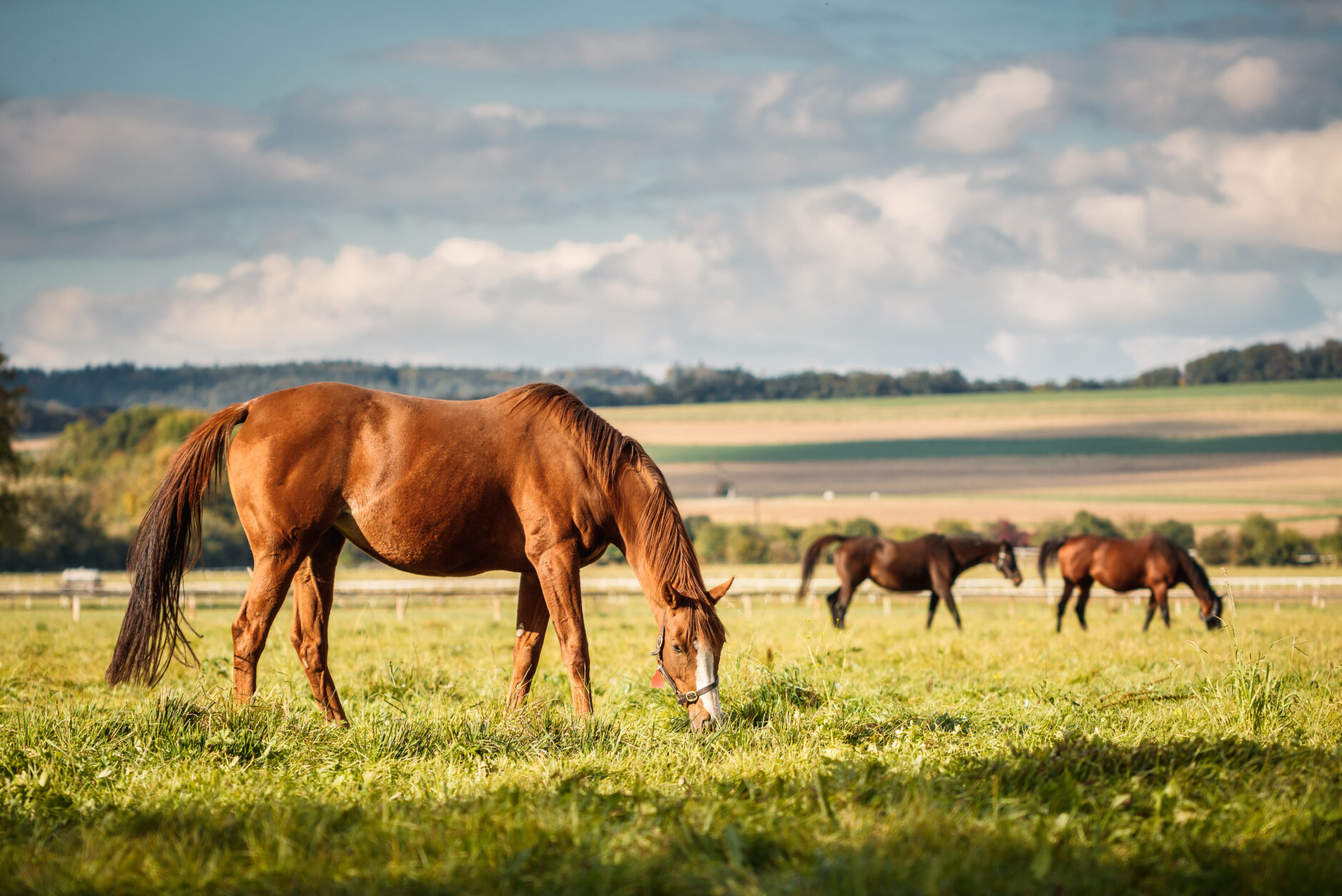
A healthy pasture should contain a balanced mix of grasses and beneficial herbs. Thick ground cover helps protect soil structure and reduces erosion.
A commonly recommended guideline is a minimum of 0.4 hectares per horse, although more land is advisable to allow effective rotational grazing. Rotating fields prevents overgrazing, reduces parasite build-up, and limits the development of what is commonly referred to as “horse sick” pasture.
To maintain pasture quality:
- Rotate grazing regularly
- Poo-pick frequently to reduce worm burden
- Reseed worn patches in spring
- Harrow and roll when conditions allow
- Monitor and remove poisonous plants
Sycamore seedlings, ragwort, and acorns should be removed promptly, as they pose serious risks to equine health.
Water Supply
Fresh, clean water must always be available. Automatic waterers or sturdy troughs are preferable to natural water sources, which can become contaminated and difficult to access safely.
Water containers should be positioned on firm, well-drained ground and cleaned regularly to prevent algae and bacterial build-up. In winter, check daily for freezing.
Feeding In The Field
Grass provides essential fibre and energy, but its nutritional value fluctuates throughout the year. During winter, drought conditions, or periods of heavy work, supplementary hay or hard feed may be necessary.
Loose hay can be distributed around the field to encourage movement or placed in secure feeders to reduce waste. Regular pasture management and rotational grazing will significantly improve grass quality and reduce reliance on additional feed.
Create A Healthy Field Environment With The Right Shelter
Preparing a field correctly is an investment in your horse’s long-term health. Strong fencing, well-managed pasture, clean water, and proper shelter all work together to create a safe and supportive environment.
At Prime Stables, we design, craft, and install high-quality static and mobile field shelters tailored to your needs. Whether you are building a permanent solution or looking for flexible grazing support, our bespoke timber shelters are built to last.
If you would like expert guidance on choosing the right field shelter, contact our experienced team today or request your free brochure. We would be delighted to help you create the ideal setup for your horses.